



























ChatGPT is changing how teachers work and students learn. This AI tool can help with lesson planning, grading, and giving feedback.
It’s like having a smart helper in the classroom.
Teachers who use ChatGPT well can save time and make learning more fun for students. You can use it to create quizzes, explain tough topics, or even write stories.
But it’s important to remember that ChatGPT is a tool, not a replacement for good teaching.
Using ChatGPT in class also helps students get ready for a world with more AI. They can learn how to work with AI and think about its good and bad points.
This skill will be useful in many jobs in the future.
Key Takeaways
- ChatGPT can help teachers save time on tasks like lesson planning and grading
- Students can use ChatGPT as a learning aid to understand complex topics better
- Using AI in the classroom prepares students for a future where AI is common in many jobs
Integrating ChatGPT in the Classroom
ChatGPT can be a powerful tool to boost learning and teaching. It offers ways to make lessons more engaging and help students grow.
Let’s look at how to use it well.
Enhancing Student Learning
ChatGPT can make learning more fun and personal. You can use it to create practice questions that fit each student’s needs.
This helps them learn at their own pace.
Try using ChatGPT to explain hard topics in simple words. It can give examples that make sense to your students.
You can also use it to start class talks about new ideas.
ChatGPT can help with writing too. It can give tips on how to make essays better.
But remind students to think for themselves and not just copy what ChatGPT says.
Improving Lesson Plans
ChatGPT can help you make your lessons better and save time. You can ask it for new ideas to teach old topics.
It can suggest fun activities that get students excited to learn.
Use ChatGPT to create worksheets and quizzes fast. Just tell it what you need, and it can make them for you.
This leaves you more time to focus on teaching.
You can also use ChatGPT to find good questions to ask in class. These questions can make students think deeper about what they’re learning.
Remember to check ChatGPT’s answers to make sure they’re right for your class.
ChatGPT as a Learning Aid

ChatGPT can boost students’ reading and writing abilities in key ways. It offers personalized help with understanding texts and crafting essays.
Let’s explore how it supports these crucial skills.
Advancing Reading Comprehension
ChatGPT can explain tricky passages in simple terms. You can ask it to break down complex ideas or summarize long texts.
This helps you grasp the main points faster.
It can also quiz you on what you’ve read. Just share a passage and ask for questions.
This tests your understanding and memory.
ChatGPT can even role-play characters from a story. This brings the text to life and deepens your grasp of plot and motivation.
Developing Writing Skills
ChatGPT is a useful writing buddy. It can suggest ways to improve your essays.
You can ask for help with:
- Fixing grammar and spelling
- Finding better words
- Making sentences clearer
- Organizing your ideas
It can also show you examples of good writing. This helps you learn new styles and techniques.
You can practice by writing short pieces and asking ChatGPT for feedback. It will point out strengths and areas to work on.
The Role of AI in Assessment and Grading
AI tools like ChatGPT are changing how teachers grade work and check for cheating. These new tools can save time and catch mistakes that humans might miss.
Streamlining Grading Processes
AI can grade many types of work quickly. It can score multiple-choice tests, short answers, and even essays.
This frees up teachers to focus on other tasks. AI grading is often very accurate, matching human graders closely.
AI tools can give students fast feedback. This helps them learn and improve right away.
The tools can spot common mistakes and suggest ways to fix them.
Some AI grading systems can learn over time. They get better at scoring as they see more student work.
This makes them more helpful for teachers and students.
Detecting Plagiarism
AI is good at finding copied work. It can compare student papers to huge databases of other writing.
This catches cheating that humans might not notice.
AI plagiarism checkers work fast. They can scan whole classes of papers in minutes.
This saves teachers lots of time.
These tools can find tricky forms of cheating. They spot text that’s been changed slightly to hide copying.
They can even catch ideas stolen from other sources.
AI helps make grading more fair. It treats all students the same way.
This cuts down on human bias in grading.
Optimizing Classroom Management with AI
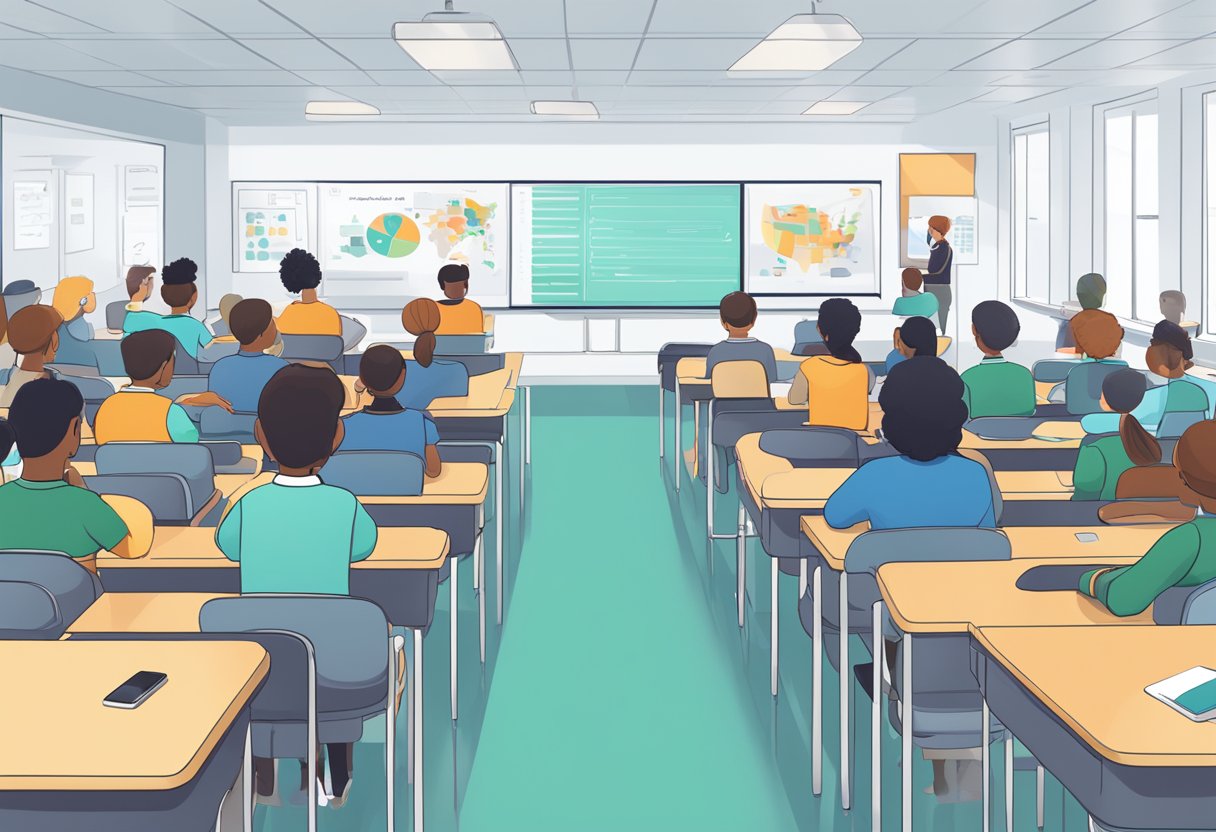
AI tools like ChatGPT can help teachers run their classrooms more smoothly. These tools make it easier to plan lessons and handle day-to-day tasks.
Facilitating Effective Teaching Methods
ChatGPT can suggest new teaching ideas to keep students engaged. You can ask it for fun activities that match your lesson topic.
This saves you time brainstorming.
The AI can also help create custom lesson plans. Tell it your learning goals and student needs.
It will give you a step-by-step plan to follow.
For group work, ChatGPT can generate discussion questions. These questions can spark deeper thinking among students.
Tip: Use ChatGPT to make rubrics for grading assignments. This helps you grade more fairly and quickly.
Handling Classroom Administration
ChatGPT can draft emails to parents about upcoming events or student progress. You just need to review and personalize them before sending.
The AI can help you make class schedules too. Tell it your subjects and time slots.
It will suggest efficient timetables.
For attendance, ChatGPT can create spreadsheets or forms. This makes tracking student presence easier.
Time-saving idea: Ask ChatGPT to write brief student progress reports. You can then add personal notes to each one.
ChatGPT can also help manage classroom supplies. It can make inventory lists and suggest when to reorder items.
Challenges and Considerations
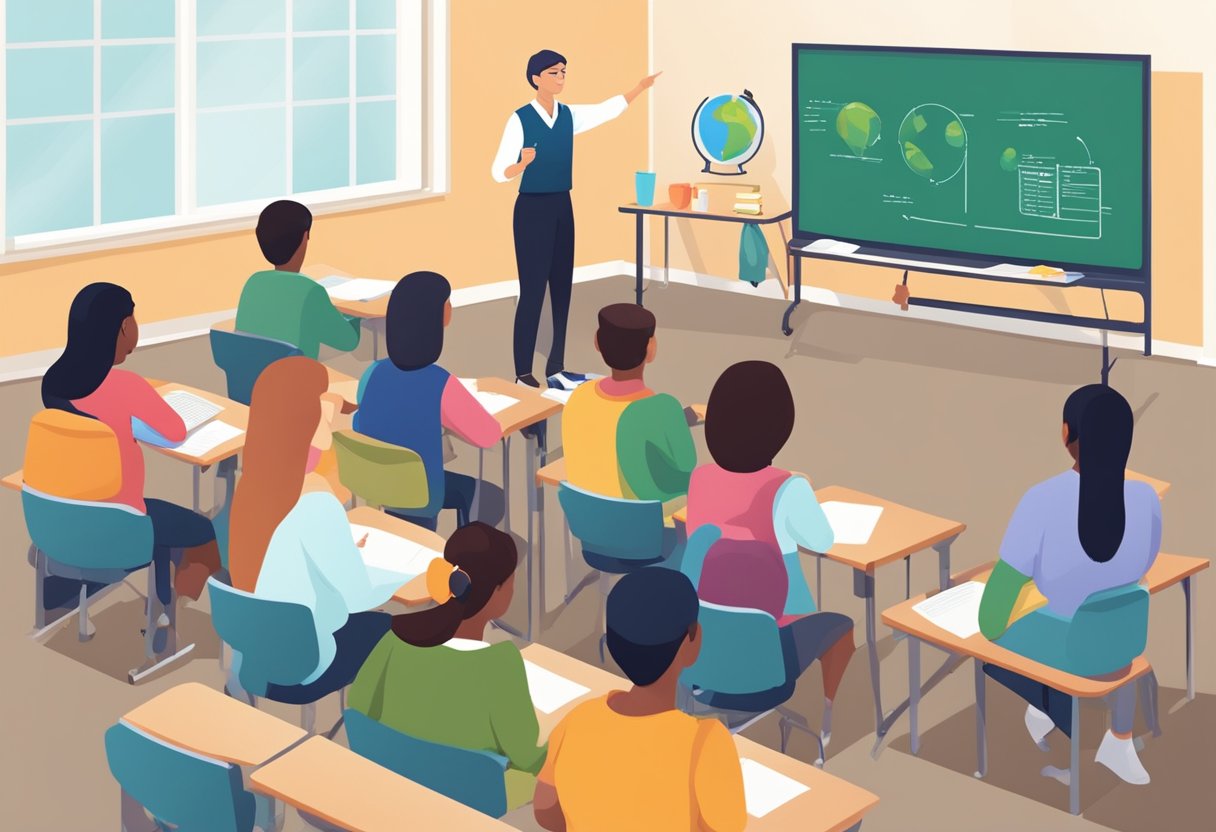
Using ChatGPT in education brings up important issues to think about. You need to be aware of potential problems and use this tool responsibly.
Addressing AI Bias and Misinformation
ChatGPT can sometimes give biased or wrong information. You should double-check its answers against trusted sources.
Try different ways of asking questions to spot bias.
Be careful about using ChatGPT for sensitive topics. Teach students to think critically about AI-generated content.
Have them fact-check and find supporting evidence. Use ChatGPT as a starting point, not the final word.
Ethical Use of Generative AI
You must use ChatGPT ethically in your classroom. Set clear rules about when and how students can use it.
Don’t let them pass off AI writing as their own work. Instead, teach proper ways to use AI tools to support learning.
Think about fairness – not all students may have equal access to this tech. Be open with parents about how you’re using AI.
Protect student privacy by not sharing personal info with ChatGPT.
Keep learning about AI ethics to make good choices for your students.
Frequently Asked Questions
ChatGPT offers many benefits for educators. It can help with lesson planning, personalized learning, and administrative tasks. Teachers should use it responsibly and follow ethical guidelines.
What are the key benefits of using ChatGPT in an educational setting?
ChatGPT can help teachers create content and explain complex topics. It can generate quiz questions and summaries of articles.
ChatGPT also supports research and writing tasks. This saves time and helps teachers focus on student needs.
Can ChatGPT assist educators in creating more engaging lesson plans?
Yes, ChatGPT can help make lesson plans more interesting. It can suggest creative activities and projects based on your topic.
You can ask ChatGPT for ideas to make lessons interactive. It can also help you adapt lessons for different learning styles.
Is it ethical and permitted for educators to integrate ChatGPT into their teaching?
Using ChatGPT in teaching can be ethical if done responsibly. Check your school’s policies on AI tools first.
Be open with students about when and how you use ChatGPT. Make sure to review and fact-check any content it generates.
In what ways can ChatGPT support personalized learning for students?
ChatGPT can create custom explanations for each student’s level. It can offer extra practice problems on topics students find hard.
You can use ChatGPT to generate different versions of assignments. This helps meet the needs of students with varied abilities.
How can educators use ChatGPT to save time on administrative tasks?
ChatGPT can draft emails to parents or write report card comments. It can help create rubrics for assignments.
You can use it to organize lesson materials or generate to-do lists. This frees up time for more important teaching tasks.
What guidelines should educators follow to ensure the responsible use of ChatGPT in the classroom?
Always double-check ChatGPT’s responses for accuracy.
Use it as a tool to enhance, not replace, your teaching skills.
Teach students about AI and its limits.
Set clear rules about when and how they can use ChatGPT for schoolwork.










Comments 1