



























AI-powered educational tools are rapidly changing the way teachers manage their classrooms. These innovative tools help reduce the time spent on administrative tasks, allowing educators to focus on what truly matters—teaching and engaging students. By automating routine activities, these technologies streamline processes and support teachers in creating a more effective learning environment.

As more educators adopt AI-enhanced systems, the landscape of education will continue to evolve. These tools not only support teachers but also enhance the learning experience for students. While there are important considerations regarding ethics and privacy, the benefits of integrating AI in education are becoming increasingly clear.
Key Takeaways
- AI tools help teachers save time by automating routine tasks.
- Streamlined administrative processes allow for greater student engagement.
- Ethical and privacy considerations are essential in the use of AI in education.
The Significance of AI in Education
Artificial intelligence (AI) plays a crucial role in enhancing teaching practices and improving efficiency in educational settings. By integrating AI tools, educators can focus more on students while technology manages routine tasks. This section discusses the transformation of teaching practices and the impact of AI on administrative work.
Transforming Teaching Practices with AI
AI tools are reshaping how educators deliver lessons. They provide personalized learning experiences tailored to individual student needs. For instance, AI can analyze student data to identify strengths and weaknesses. This information allows teachers to adjust their teaching strategies accordingly.
Additionally, AI facilitates classroom management by automating tasks like attendance management. Teachers can use AI-powered software to track attendance in real-time, reducing manual efforts. By freeing up time, educators can engage more with students, offering mentorship and support.
AI also encourages greater collaboration between teachers and technology. Educators can focus on developing creative and engaging lessons while AI handles administrative burdens. This shift fosters a more dynamic learning environment.
AI’s Impact on Efficiency and Administrative Work
The efficiency brought by AI in education is significant. Many tedious administrative tasks, like grading and assessment, can be automated using AI tools. These tools can quickly evaluate student assignments and provide instant feedback.
For many teachers, this can save hours each week, allowing them to invest their time in teaching rather than paperwork. Other AI applications assist in preparing lesson plans, organizing classroom materials, and even managing communication with parents.
AI also enhances data management within schools, making it easier to analyze trends and improve teaching practices. With all these benefits, educators can focus on what truly matters: the learning and growth of their students.
AI-Enhanced Learning and Student Engagement

AI-powered tools transform education by offering personalized learning experiences and improving student engagement. These technologies help teachers manage student data effectively, streamline lesson plans, and create adaptive learning environments that cater to individual needs.
Personalizing Student Learning with AI
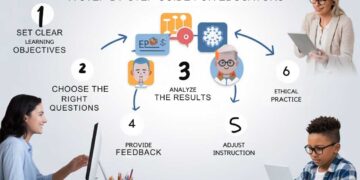
AI tools facilitate personalized learning by analyzing student performance data. They identify learning gaps and strengths, allowing teachers to create tailored instruction plans. With adaptive learning platforms, educators can implement differentiated instruction strategies.
These platforms adjust to each student’s pace, providing resources that match their individual learning styles. For instance, AI can suggest specific exercises and projects based on student interactions and assessments. This customization fosters deeper understanding and keeps students engaged in their learning journeys.
Teachers benefit from immediate insights into student progress. They can quickly access data analytics tools to refine their teaching methods and better support student needs. As a result, AI not only enhances the learning experience for students but also empowers educators to deliver targeted instruction effectively.
Monitoring Student Engagement and Outcomes
AI also plays a key role in monitoring student engagement and learning outcomes. Advanced systems track participation levels and interaction with learning materials. This constant assessment helps educators identify students who may need additional support.
Using student data, teachers can evaluate the effectiveness of their strategies. AI tools allow for real-time feedback on assignments and assessments, making it easier to recognize trends in student performance. Understanding these trends can lead to timely interventions that improve engagement.
Additionally, engagement metrics can highlight areas of the curriculum that may require adjustments. By analyzing how students interact with content, educators can modify their approaches, ensuring that lessons remain relevant and stimulating. This ongoing assessment process enriches the academic experience and supports better learning outcomes for all students.
Operational Tasks and AI Tool Implementation
AI tools can streamline operational tasks in education by automating processes such as attendance management and grading. This implementation not only saves time but also enhances accuracy in administrative tasks.
Facilitating Attendance and Assessment with AI
AI can significantly improve attendance tracking by using automated systems that log student presence in real-time. Tools like AI-powered chatbots can assist in checking in students, reducing the time teachers spend on manual attendance processes.
For grading and assessment, platforms like Gradescope offer automated grading features. These tools can analyze student submissions, provide quick feedback, and maintain consistent grading standards. With features to handle various types of assessments, educators can focus more on improving lesson delivery and individualized student support.
Professional Development in AI Application
Training educators in AI applications is essential for effective implementation. Professional development programs can provide teachers with skills to utilize AI tools efficiently, focusing on practical applications like grading automation and attendance management.
Workshops can cover topics such as utilizing AI chatbots for student inquiries and using tools for data analysis. By enhancing their understanding of AI, teachers can better integrate technology into their classrooms, ultimately leading to improved learning outcomes and reduced administrative burden.
Ethics, Privacy, and the Future of AI in Education

The integration of AI in education raises significant issues around ethics and privacy. Understanding how these factors influence the use of technology is crucial for educators and policymakers. This section explores managing student data and emerging trends shaping the landscape of educational technology.
Managing Student Data and Privacy Concerns
Data privacy is critical when implementing AI tools in education. Schools collect vast amounts of student data, including personal details and academic performance. This information must be handled with the utmost care to protect students’ identities and prevent unauthorized access.
Educators and institutions need to establish clear guidelines regarding data collection and usage. Data anonymization techniques can minimize risks. Compliance with laws like FERPA in the U.S. ensures that student information is safeguarded. Implementing proper data management practices builds trust among students, parents, and educators.
Moreover, tools using natural language processing, like chatbots, must maintain strict privacy protocols. These applications can greatly enhance learning but require assurance that user data is secure. Continuous training on ethical data use aids staff in navigating these complex issues.
Emerging Trends and the Continued Evolution of EdTech
The evolution of educational technology is shaped by ongoing advancements in AI. Innovations like adaptive learning systems and intelligent tutoring leverage AI to tailor educational experiences to student needs. These tools can significantly reduce the workload on teachers by automating administrative tasks.
As edtech continues to grow, new ethical dilemmas arise. Concerns regarding the impact of AI decisions on learning outcomes need examination. Stakeholders in education must evaluate how AI tools affect student engagement and achievement.
Furthermore, incorporating AI like chatGPT into classrooms allows for dynamic interactions. These technologies promote personalized learning but also highlight the need for guidelines on appropriate use. Developing ethical frameworks will ensure these tools are implemented responsibly, benefiting students while respecting privacy.
Frequently Asked Questions
AI-powered educational tools can significantly reduce the administrative burden on teachers. These technologies help with tasks like grading, managing student data, and improving communication with parents, allowing educators to focus more on teaching.
What AI-driven software can streamline grading and assessment for teachers?
There are various AI tools that assist in grading. Applications can automatically evaluate multiple-choice tests and provide quick feedback on essays. Some platforms even suggest improvements to student work, saving teachers time on evaluation.
How do AI educational platforms aid teachers in managing student data?
AI educational platforms organize and analyze student data effectively. They can track progress over time, identify trends, and generate reports. This information helps teachers adjust their instruction based on what is working for their students.
In what ways can AI applications facilitate communication between teachers and parents or guardians?
AI applications can automate communication between teachers and parents. They can send updates about student performance and important announcements. These tools make it easier for teachers to keep parents informed without spending extra time on emails or calls.
What are the advantages of using AI for curriculum planning and resource allocation?
AI helps in curriculum planning by aligning lessons with learning standards. It can suggest resources based on students’ needs and performance. This targeted approach ensures that teachers use their time and resources more efficiently.
How can artificial intelligence optimize scheduling and time management for educators?
AI tools can help educators manage their schedules by analyzing their commitments and suggesting optimal times for tasks. They can even schedule meetings or reminders for important deadlines, making it easier for teachers to stay organized.
To what extent can AI assist teachers with personalized learning and student support?
AI systems can create personalized learning experiences for students. They adapt to individual learning styles and pace, providing tailored resources. This customization allows teachers to support diverse student needs more effectively without overwhelming their workload.












Comments 10