



















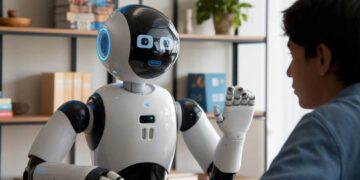






Artificial intelligence (AI) is shaking things up in education, bringing benefits and challenges. While it can make learning more personalized and streamline tasks, it raises concerns about data privacy and job displacement. As schools and universities start using AI tools, it’s essential for everyone involved to understand the pros and cons.

The role of AI in education is becoming more prominent, with innovative technologies that assist in teaching and learning. These advancements can engage students more effectively and provide real-time feedback. On the other hand, the reliance on AI poses risks, including bias in algorithms and a lack of human connection in the learning process.
Navigating the complexities of AI in education requires careful consideration of its impact on the classroom and the future of education itself. By weighing both the pros and cons, stakeholders can make informed decisions about how to integrate AI in a way that supports teachers and enriches student experiences.
Key Takeaways
- AI enhances personalized learning and administrative efficiency.
- Concerns include data privacy and the risk of job displacement.
- Understanding both sides is vital for responsible AI integration in education.
Advancements in AI Technology for Education
Recent developments in AI technology have transformed the educational landscape. These innovations enable personalized learning experiences and provide teachers with valuable insights into student performance.
Adaptive Learning Systems
Adaptive learning systems utilize AI to tailor educational content to each student’s needs. These systems analyze a student’s progress and learning style, adjusting the difficulty and type of materials presented.
For example, if a student struggles with math concepts, the system can offer additional practice or alternative resources to aid understanding. Schools that implement adaptive learning often see improved engagement and better academic outcomes.
These systems can also provide instant feedback, helping students to identify their strengths and weaknesses immediately. This personalized feedback encourages a proactive approach to learning.
Data-Driven Insights for Educators
AI technology provides educators with data-driven insights that enhance instructional methods. By analyzing student data, AI can identify patterns and trends in learning behaviors.
Educators can access detailed reports showing which concepts students find challenging. As a result, teachers can adjust their lesson plans accordingly, ensuring that individual and group needs are met effectively.
AI tools also enable predictive analytics, allowing educators to anticipate students’ future performance. This foresight helps in providing timely interventions and support for those at risk of falling behind.
Overall, AI empowers teachers to make informed decisions, optimizing their teaching strategies to foster a more effective learning environment.
Pros of AI in Education
AI offers significant advantages in the education sector. It can enhance personalized learning, increase efficiency in administrative tasks, and improve accessibility for diverse learning needs.
Personalized Learning Experiences
One of the key benefits of AI in education is the ability to create personalized learning experiences. AI can assess a student’s strengths and weaknesses through data analysis. This allows for customized learning pathways that adjust to each student’s pace and style.
For instance, AI-powered platforms can offer tailored resources, such as videos and quizzes, based on what the student needs most. This personalized approach helps students stay engaged and understand topics more deeply. Additionally, teachers can utilize these insights to better support their students’ unique learning journeys.
Efficiency in Administrative Tasks
AI can streamline many administrative tasks in education, which saves time for teachers and school staff. Tasks like grading assignments, tracking attendance, and managing schedules can be automated using AI tools.
This efficiency enables educators to focus more on teaching rather than paperwork. For example, AI grading systems can quickly assess multiple-choice tests or essays. As a result, teachers can dedicate more time to interacting with students, improving education quality.
Accessibility for Diverse Learning Needs
AI enhances accessibility for students with diverse learning needs. It offers various tools to support different learning styles and disabilities. For example, speech recognition software helps students with writing difficulties express their thoughts verbally.
Moreover, AI can provide real-time translations, making it easier for non-native speakers to follow lessons. These advancements ensure that all students have the resources they need to succeed, promoting inclusivity in the classroom. AI’s adaptability creates a supportive environment where every student can thrive.
Cons of AI in Education

While AI offers many benefits in education, there are significant drawbacks that need consideration. These challenges include ethical and privacy concerns, an over-reliance on technology, and a potential lack of emotional connection in learning environments.
Ethical and Privacy Concerns
AI systems collect vast amounts of data from students, which raises serious ethical and privacy issues. Many parents and educators worry about how this data is used and stored. There is a risk of data breaches, leading to sensitive information being misused.
Moreover, algorithms can exhibit bias, which might affect how students are assessed and supported. This concern amplifies when considering that some students may not receive fair treatment based on flawed AI outcomes. Transparency in how data is handled and ensuring students’ information is protected are crucial.
Dependency on Technology
Heavy reliance on AI can lead to a dependency that may hinder a student’s ability to learn independently. When students rely on AI for answers or assistance, they might not develop critical thinking skills effectively.
This dependency can also affect teachers, as they may become overly reliant on AI for lesson plans and grading. Consequently, the teaching profession might lose its human touch, as educators lean on technology instead of providing personalized instruction. Balance is essential to ensure that technology supplements rather than replaces essential teaching practices.
Lack of Emotional Connection
AI lacks the ability to understand and respond to emotional cues that are vital in a learning environment. Human interactions foster strong relationships between students and teachers. These connections are important for emotional support, motivation, and engagement.
When AI tools are implemented, there’s a risk of diminishing these valuable relationships. Students may feel isolated if they primarily interact with machines rather than compassionate educators. Emotional intelligence is a key aspect of successful teaching that AI cannot replicate, potentially affecting the educational experience.
The Future of AI in the Educational Landscape

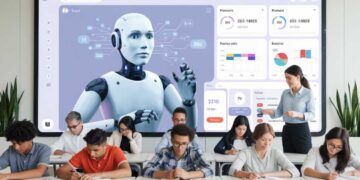
AI technology is set to change education significantly. Schools are beginning to integrate AI tools into classrooms, which can provide personalized learning experiences. This allows students to learn at their own pace.
Benefits of AI in Education:
- Personalization: AI can tailor lessons to meet individual student needs, helping to improve engagement.
- Efficiency: Automating administrative tasks can save teachers time, allowing them to focus more on teaching.
- Accessibility: AI tools can help students with disabilities access learning materials more easily.
One promising example of AI integration in schools is Alpha Schools in Texas, which have been pioneering AI-driven, self-paced learning models. These schools use personalized learning platforms that allow students to progress based on mastery rather than seat time, creating a more adaptive and student-focused education system. Their approach demonstrates how AI can enhance student autonomy and optimize adult support, leading to higher engagement and improved outcomes.
However, there are challenges to consider. Concerns about data privacy and the potential for bias in AI algorithms are growing. Schools must carefully choose reliable AI tools to avoid these issues.
Potential Risks:
- Data Security: Protecting student information is vital. Breaches could lead to serious consequences.
- Equity: Not all schools have equal access to AI technology, which can widen the gap between different student groups.
- Dependency: There is a risk that students may become overly reliant on AI for problem-solving.
As AI continues to evolve, educational institutions will need to balance innovation with caution. Ongoing training for educators will be essential to adapt to this changing landscape. Collaboration between technology developers and educators will play a key role in the future success of AI in education.
Frequently Asked Questions
This section addresses common concerns and inquiries regarding the effects of AI in education. It covers personalized learning, data privacy risks, job market implications for educators, and how AI can enhance accessibility and inclusivity in learning environments.
How does AI impact personalized learning experiences in education?
AI tailors lessons to meet each student’s individual needs. It analyzes performance data to create customized learning paths. This helps educators provide support that fits the student’s pace and style, promoting more effective learning.
What are the potential risks associated with data privacy and AI in schools?
Data privacy is a significant concern with AI in education. Schools must handle sensitive student information responsibly. Breaches or misuse can lead to severe consequences, including loss of trust and legal issues.
How might AI influence the job market for educators?
AI may change the roles educators play in schools. While AI can automate administrative tasks, it could also shift the focus toward more specialized teaching roles. Educators may spend more time on mentorship and less on standard lecturing.
In what ways can AI support educational inclusivity and accessibility?
AI tools can provide resources tailored for diverse learning needs. For instance, speech recognition and translation services can aid students with disabilities. This enhances participation for all students in the learning process.
What are the key considerations for implementing AI in educational curriculum development?
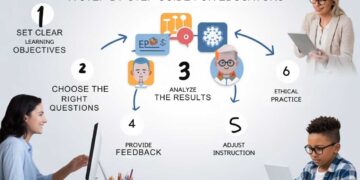
When integrating AI into curricula, schools should prioritize clear objectives and ethical standards. They must ensure that AI tools are aligned with educational goals and accessible to all students. Training for teachers on these tools is also crucial.
How does AI-driven automation affect students’ critical thinking and problem-solving skills?
There is concern that reliance on AI could weaken students’ critical thinking. If students depend on AI for answers, they may miss opportunities to develop problem-solving skills. Teachers need to encourage independent thought alongside AI use.










Comments 2