

























Unlocking AI Tools for Math Teachers: Transform Your Classroom Experience
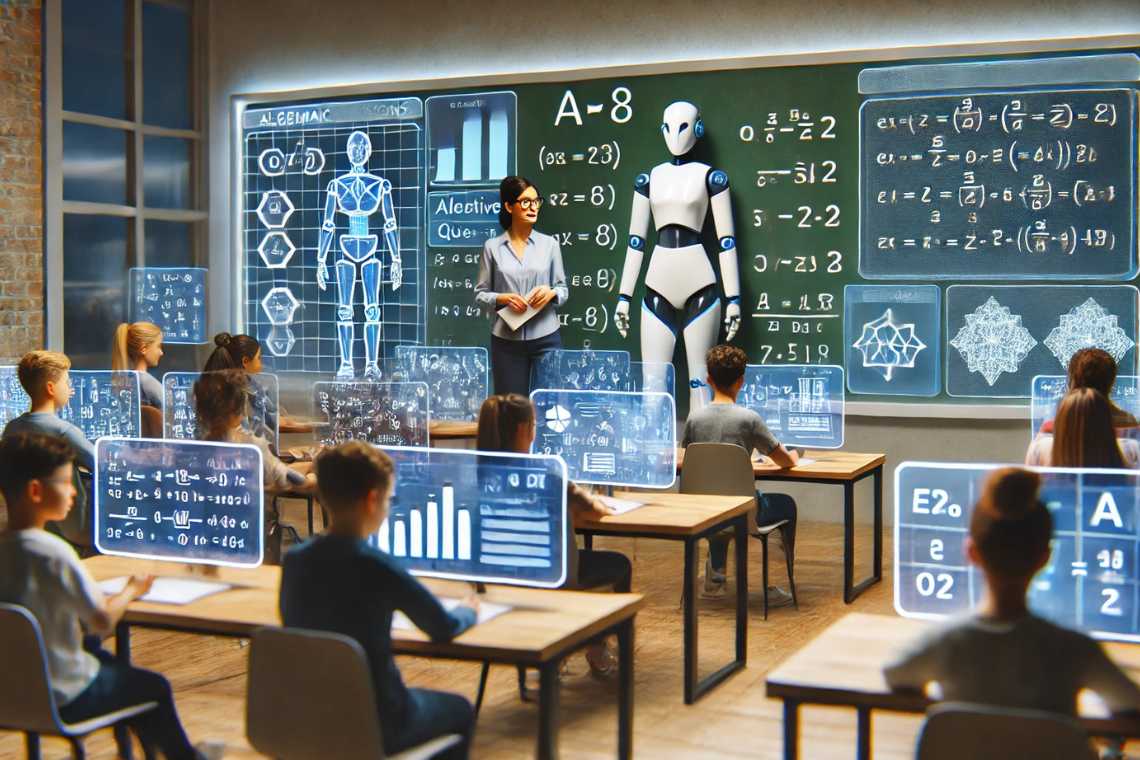
Personalized math learning with AI tools for teachers isn’t just innovative—it’s transformational. After exploring comprehensive lesson plans for teaching algebraic expressions, I’m excited to share how math educators can leverage free AI tools to create engaging, differentiated learning experiences that empower every student while simplifying the teacher’s role as facilitator. This approach to mathematics education combines the best of technology and teaching expertise.
Here’s my approach to building a fully AI-powered math lesson on algebraic expressions that provides personalized learning, instant feedback, and adaptive learning paths for every student in your mathematics classroom.
Exploring Essential AI Tools for Math Education
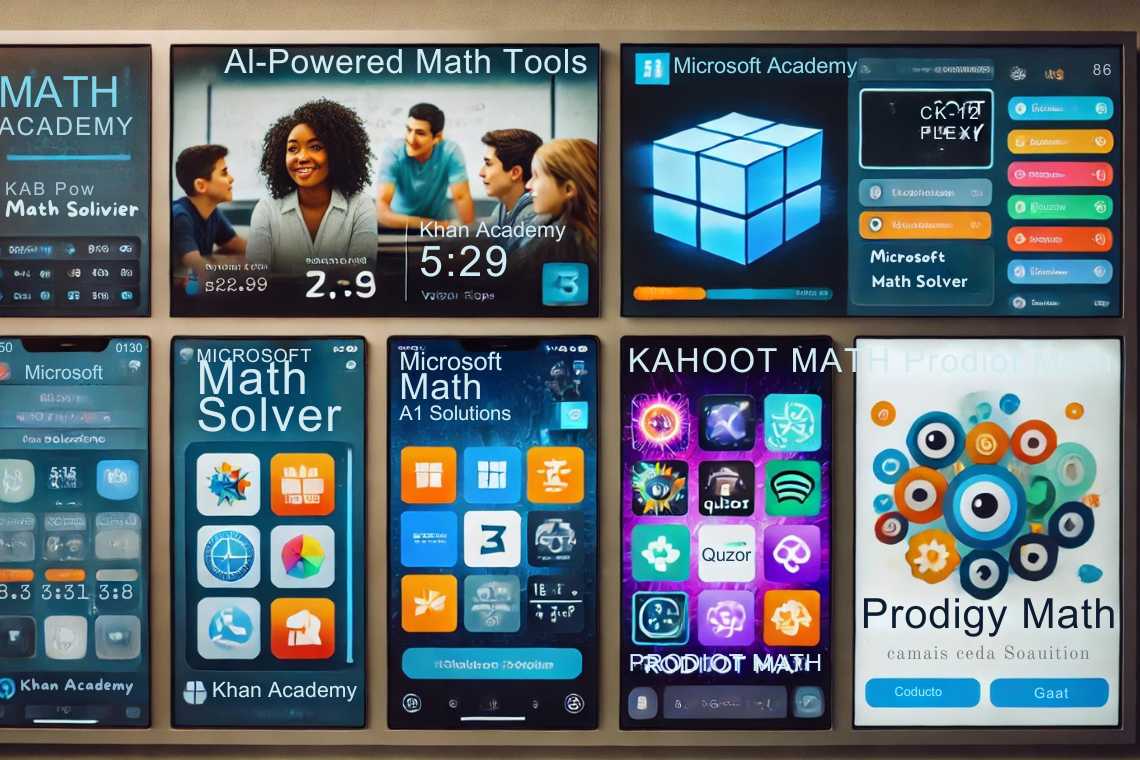
The first step in creating an AI-powered math lesson is assembling a toolkit of complementary platforms that address different aspects of learning math. Based on what I’ve researched, here’s the ideal combination of math AI tools:
For Instruction and Step-by-Step Solutions:
- Khan Academy for adaptive video lessons and structured practice
- CK-12 Flexi or a teacher-monitored AI tool for conversational explanations
- Microsoft Math Solver or Photomath to solve math problems with detailed breakdowns
For Interactive Math Learning:
- Prodigy Math for game-based practice that uses AI to adjust the difficulty based on student performance
- Quizizz or Kahoot for engaging self-paced quizzes
- IXL Math for skill-building with immediate feedback
For Assessment in Mathematics:
- Google Forms with adaptive sections based on student responses
- AI-generated exit tickets through a controlled chat interface
This ecosystem of AI tools for math creates a learning environment where students receive instruction, practice, and feedback through multiple modalities—all personalized to their individual learning pace and style.
Structuring Your AI-Enhanced Math Lesson
1. AI-Guided Introduction to Mathematics (15 minutes)
Students begin their learning journey through one of two paths that use AI in math education:
Path A: Conversational Learning with Math AI Tools Students log into CK-12 Flexi or a teacher-monitored AI chat interface with a prompt like: “Teach me about algebraic expressions step by step.” The AI tool provides a personalized introduction to math concepts including terms, coefficients, variables, and constants.
What makes this approach powerful is its conversational nature. Students can ask follow-up questions about complex math problems and receive immediate clarification tailored to their understanding.
Path B: Adaptive Video Instruction Alternatively, students can watch Khan Academy videos on algebraic expressions. The platform’s artificial intelligence pauses at key moments to check understanding with questions. Based on their answers, students either progress forward or receive additional instruction on math concepts they haven’t yet mastered.
2. Interactive Math Learning with AI Support (20 minutes)
Once students grasp the basic concepts, math teachers can transition them to practicing with AI assistance:
Personalized Problem Sets Khan Academy’s adaptive learning engine analyzes student responses and adjusts problems accordingly—providing more challenging work for those who demonstrate mastery and additional scaffolding for those who need more support with mathematics.
Visual Step-by-Step Solutions Students who prefer a more visual approach can take a photo of a math problem and input expressions into Microsoft Math Solver or Photomath to see the problem-solving process broken down step-by-step with explanations. For example, when simplifying an expression like “2x + 3 + 4x,” the solver shows each step: identifying like terms, combining 2x and 4x, and presenting the final simplified form (6x + 3).
Making Learning Math Fun and Engaging For students who thrive with gamification, Prodigy Math transforms algebraic practice into an adventure where they solve math problems to progress. The generative AI engine continuously adjusts difficulty based on performance, making the learning experience appropriately challenging without becoming frustrating.
On-Demand Math Tutor Throughout this practice phase, students can type questions to their AI tool whenever they get stuck: “I’m confused about combining 5y and 3. Can you help?” The AI provides targeted guidance without simply giving answers, helping students develop a deeper understanding of math.
3. Using AI to Personalize Learning (10 minutes)
The real potential of AI for math education lies in its ability to automatically differentiate instruction:
For Students Facing Math Challenges:
- Math AI tools detect learning gaps through pattern analysis of mistakes
- Provide additional examples with simpler terms
- Break down complex math problems into smaller steps
- Offer visual representations of algebraic concepts
- Present step-by-step explanations using more accessible language
For Advanced Mathematics Students:
- AI automatically accelerates to more complex expressions
- Introduces a wide range of math topics and multi-variable expressions
- Challenges students to create and solve their own math problems
- Connects current learning to upcoming math concepts like equations
- Provides real-world application problems to enhance math understanding
This personalization happens organically without requiring separate lesson plans—the AI tools transform math instruction by adapting in real-time to each student’s performance in the math classroom.
4. AI-Powered Assessment in Math Education (10 minutes)
As the lesson progresses, teachers can use AI to assess student understanding:
Adaptive Quizzes Students complete a Quizizz on algebraic expressions where the AI adjusts question difficulty based on their performance. When they answer correctly, subsequent questions become more challenging; when they struggle, the quiz provides hints or simplifies the next problem.
Self-Verification Tools Students can check their written work using AI tools that not only verify answers but explain any errors with step-by-step solutions. This instant feedback loop helps students identify misconceptions immediately in the learning environment.
The assessment phase becomes another learning opportunity rather than merely a measurement tool, as students receive specific guidance on their individual mathematics challenges.
5. AI-Facilitated Math Learning Reflection (5 minutes)
To close the learning cycle, teachers can allow students to engage in reflection using AI tools for teachers:
Personalized Growth Planning Students ask their AI tool: “What is one specific area of algebraic expressions I should focus on improving?” The AI analyzes their performance throughout the lesson and suggests targeted practice areas.
Challenge Problem Generation The AI can generate a final challenge problem matched to each student’s demonstrated ability level—giving everyone an appropriate stretch goal to attempt before concluding the interactive math lesson.
Automated Exit Ticket Students complete a brief Google Form that uses machine learning algorithms to adapt questions based on their responses. This provides math educators with organized data about class progress while giving students a final moment to solidify their learning math experience.
Transforming the Math Teacher’s Role with AI Tools

In this AI-enhanced mathematics classroom, the role of math teachers transforms from content delivery to learning facilitation:
- Pre-Lesson Setup: Ensuring all AI tools for math teachers are accessible and properly configured
- Circulation and Observation: Monitoring student engagement with the math AI tools
- Strategic Intervention: Using real-time data from AI platforms to identify which students need personal attention with specific math concepts
- Relationship Building: Having meaningful conversations with students about their math learning journey
- Data Analysis: Reviewing AI-generated reports to enhance math instruction in future lessons
This shift allows teachers to focus on what they do best—connecting with students and providing nuanced guidance—while leveraging the power of AI to handle routine instruction, practice, and feedback in mathematics education.
Extending Learning Beyond the Math Classroom
The learning continues beyond class time with AI support at home:
Personalized Practice Assignments Khan Academy assigns homework problems based on each student’s in-class performance—providing additional practice in precisely the areas where they need it most.
24/7 Math Tutor Students can use Photomath or Microsoft Math Solver when they get stuck on a math problem, allowing them to overcome obstacles rather than abandoning homework altogether.
AI-Generated Practice Teachers can also encourage students to use AI to generate additional practice problems similar to ones they found challenging, creating unlimited opportunities for reinforcement in learning math.
Why AI Tools for Math Teachers Work
AI tools transforming math education succeed for several compelling reasons:
Personalized Learning Experience Every student receives instruction tailored to their learning style, pace, and current level of understanding—something virtually impossible for a single math teacher to provide to 25+ students simultaneously.
Instant Feedback on Math Problems Students no longer wait days to find out if they’ve mastered a concept—they know immediately and can correct misconceptions before they become entrenched.
Making Math More Accessible The private, judgment-free interaction with AI tools reduces the stress many students feel when they don’t understand math concepts immediately. They can ask the same question multiple times without embarrassment.
Equitable Access to Math Support AI tools democratize access to high-quality math instruction and tutoring, providing every student with a personal math tutor regardless of their socioeconomic background.
Data-Informed Mathematics Teaching Teachers can focus on using AI to tailor their instruction based on the unprecedented insight into exactly where students are struggling, allowing for more targeted and effective teaching of math topics.
The Future of Math Education with AI

While exploring AI tools for math teachers has tremendous potential, thoughtful implementation is crucial:
Digital Access for Interactive Math Ensure all students have device access, whether through 1:1 programs, sharing arrangements, or designated computer time to benefit from math AI tools.
Training on Math AI Tools Invest time upfront teaching students how to use these AI tools effectively—emphasizing that they should be used for learning mathematics, not just finding answers.
Ethical Guidelines for AI in Math Education Establish clear expectations for appropriate AI use, including when to rely on their own thinking versus when to seek AI assistance with math problems.
Understanding the Potential of AI for Math Help students understand how AI works in mathematics, including its limitations, to foster critical thinking about the guidance they receive.
Conclusion
Math teachers can use AI tools to transform instruction from a one-size-fits-most approach to a dynamic, responsive experience that meets each student exactly where they are in their mathematics journey.
The math classroom of tomorrow isn’t about students staring at screens while robots teach—it’s about teachers using AI tools to create a more personalized learning experience where every student has the opportunity to succeed at their own pace.
When implemented thoughtfully, these AI tools for math teachers don’t diminish the educator’s role—they enhance math education, freeing teachers to focus on making learning math more engaging, building relationships, and providing the human connection that will always remain at the heart of excellent mathematics instruction.