

















Oh boy. Where do I even begin? deep breath
So…. AI in education. It’s everywhere right now, isn’t it? And wow – the amount of misconceptions floating around out there is just… well, it’s a lot. Like, A LOT a lot. I’ve literally spent the past few years watching people freak out about AI in classrooms, and honestly? Most of what people think they know about it is just… not quite right.
…and by “not quite right” I mean completely off-base, but I’m trying to be nice about it!
Before we dive into this (and trust me, we’re going to dive DEEP), here’s the TL;DR version because I know some of you are already itching to scroll:
- No, AI isn’t going to replace your favorite teacher (like, seriously, not even close)
- It actually makes learning MORE personal (I know, plot twist!)
- You don’t need to be a tech genius to use it (promise!)
Myth 1: OMG, AI Is Going To Replace All The Teachers!
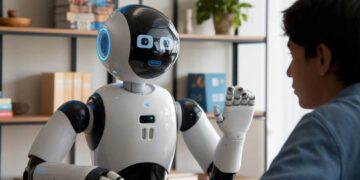
Many believe that AI technologies can take over teaching roles entirely. In reality, AI serves as a supportive tool for educators, enhancing their work rather than replacing them. Understanding how AI functions alongside teachers sheds light on its limitations.
The Role of AI in Supporting Educators
AI can automate repetitive tasks, such as grading assignments and managing administrative work. This allows teachers to spend more time on personalized instruction and student engagement. For example, AI software can analyze student performance data, helping teachers identify areas where students may need additional support.
Additionally, AI-powered educational tools can provide resources tailored to individual learning styles. This customization fosters a more effective learning environment. Teachers can use these insights to adapt their teaching strategies based on each student’s needs.
Despite its capabilities, AI lacks the nuanced understanding teachers bring to the classroom. AI is there to assist, not to lead.
Limits of AI in Understanding Human Emotions
AI systems process information based on data and algorithms but do not comprehend human emotions. They cannot create genuine connections with students, which is crucial in the learning process. Emotional intelligence in teaching helps to motivate and inspire students.
Moreover, teachers are skilled at recognizing the needs and feelings of their students. They can respond with empathy and support. AI cannot replicate this human touch that often makes a significant difference in student success.
In short, while AI can enhance education, it cannot replace the critical human elements that teachers provide.
Myth 2: AI Dehumanizes Education
Some people believe that AI takes away the human aspect of education. In reality, AI can enhance personal connections between students and teachers while promoting more inclusive learning experiences.
Personalization Potential of AI
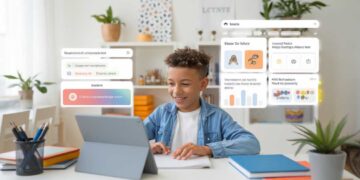
AI has the ability to personalize learning for each student. It can analyze data on a student’s performance and learning style. This allows for tailored lessons that address individual needs. As a result, students receive support that matches their strengths and weaknesses.
For instance, adaptive learning platforms adjust content in real time. They help students who may struggle with specific concepts. This not only improves understanding but also boosts students’ confidence.
Personalization through AI empowers educators to focus on building relationships. This creates a supportive learning environment that fosters interaction and engagement.
AI as a Tool for Inclusive Learning Environments
AI can also promote inclusivity in the classroom. It offers resources for students with diverse learning needs. For example, speech recognition software can assist students with disabilities. This technology enables them to engage with lessons more effectively.
Additionally, AI-based tools can provide translation services for non-native speakers. This helps break down language barriers and supports collaboration among students from different backgrounds.
Teachers can use AI to identify students who may need extra help. By doing this, they can implement strategies that ensure everyone has equal access to learning.
In this way, AI acts as a supportive resource, fostering a more inclusive educational atmosphere.
Myth 3: AI in Education Is Always Objective
Many believe that AI provides completely unbiased results in educational settings. In reality, AI systems can reflect the biases present in their training data and algorithms. Understanding this issue is crucial for educators who wish to implement AI tools responsibly.
Bias in AI Algorithms
AI algorithms can contain biases that arise during their development and training. These biases can emerge from the choices made by developers, such as data selection and algorithm design.
When an AI system is trained on data that reflects societal biases, it can make unfair assessments. For example, a system that evaluates student performance might favor certain demographics based on the data it was trained on, leading to unequal opportunities.
Active measures must be taken to identify and mitigate these biases to ensure AI tools are fair and effective.
Importance of Diverse Data Sets
Diverse data sets play a vital role in combating bias in AI. When AI systems are trained on a wide range of data, they are more likely to produce fair outcomes.
Including data from various sources and demographics helps to create a more balanced perspective. For instance, incorporating information from different socioeconomic backgrounds enables AI to better understand and serve all students.
Educators should prioritize using AI tools that are built on diverse and representative data sets. This helps to minimize biases and enhance the effectiveness of AI in educational environments.
Myth 4: AI Is Too Complex for Classroom Integration
Many believe that artificial intelligence is too complicated to use in schools. This myth overlooks the user-friendly options available and the potential for AI to enrich early learning experiences.
User-Friendly AI Applications
AI technologies today focus on ease of use. Many applications come with intuitive interfaces designed for teachers and students, making integration straightforward. For example, AI-powered tools like chatbots can assist students with homework questions, providing instant feedback.
Teachers can utilize programs that automate grading and track student performance effectively. These tools streamline classroom management, allowing educators to dedicate more time to teaching. Some platforms even offer tutorials and support, ensuring that users can navigate them without advanced technical skills.
AI in Early Education
Concerns about complexity often overlook how AI can benefit young learners. Many AI tools are tailored specifically for kids, using engaging formats like games and interactive lessons. These tools simplify complex concepts, making learning enjoyable.
For instance, platforms using AI can adapt to each child’s learning pace. This personalized approach helps address individual needs without overwhelming them. Younger students can learn foundational skills in a context that feels accessible and fun.
Thus, the notion that AI is too complex fails to recognize its potential to support teachers and enhance learning for students at all levels.
Frequently Asked Questions
As AI technology advances, it reshapes various aspects of the educational system. Understanding the implications, risks, and benefits of AI helps educators navigate this new landscape effectively.
How is AI technology impacting the current educational system?
AI technology enhances personalized learning by analyzing student performance data. It provides tailored recommendations to improve learning outcomes. Schools are also using AI to automate administrative tasks, allowing educators to focus more on teaching.
What are common misconceptions about the implementation of AI in educational settings?
Many believe that AI will replace teachers entirely. In reality, AI is designed to assist educators, not to take their place. Misunderstandings about AI’s capabilities can lead to resistance and hesitation in adopting helpful tools.
What are the potential risks associated with integrating AI in the classroom?
Integrating AI may raise concerns about data privacy and security. Schools must ensure that student information is protected from unauthorized access. There is also a risk of over-reliance on technology, which could hinder critical thinking and problem-solving skills.
How does AI influence the role and responsibilities of educators?
AI tools can change how educators deliver lessons and assess student progress. Teachers can spend more time on individual support and less on grading. This shift allows them to engage more deeply with students and their unique learning needs.
In what ways can AI in education enhance student learning experiences?
AI can provide students with instant feedback and support, promoting self-paced learning. It offers diverse resources tailored to different learning styles. These enhancements create more engaging and effective educational experiences.
What measures are being taken to address privacy and ethical concerns related to AI in education?
Educators and institutions are prioritizing data protection by implementing strict policies. Ongoing training is also provided to ensure responsible AI use. These measures aim to build trust and safeguard student information in an increasingly digital learning environment.











Comments 5