























AI in Education Basics: A Practical Guide for Modern Classrooms
Artificial Intelligence is changing education in big ways. AI tools and technologies can help teachers with tasks like making lesson plans, grading assignments, and giving students personalized help. These changes are making teaching more efficient and helping students learn better.

Machine learning systems can spot learning patterns and adapt to each student’s needs. Teachers don’t need to be tech experts to use AI. Many tools are simple to use and fit right into regular classroom activities.
Teachers who learn about AI can use it in all school subjects. From math and science to art and languages, AI helps make learning more engaging and effective for students of all ages.
Key Takeaways
- AI tools make teaching tasks easier and help students learn at their own pace
- Teachers can start using AI without being tech experts
- AI systems adapt to student needs and work across all subjects, making education more accessible.
AI Foundations in Education
Artificial intelligence fundamentals shape modern educational practices through machine learning systems, neural networks, and specialized tools that enhance teaching and learning processes. These technologies work together to create adaptive learning environments and personalized educational experiences.
Understanding AI and Its Basics
AI literacy forms the core knowledge needed for educators and students to work effectively with artificial intelligence systems. AI uses data to identify patterns and make decisions, similar to human learning processes.
AI systems in education operate through three main components:
- Data collection and processing is enhanced through the use of AI technologies.
- Pattern recognition
- Decision-making and output generation
These systems can analyze student performance, adapt teaching materials, and provide instant feedback. Machine learning capabilities allow AI to process various types of educational content, including text, images, and audio.
The Role of Neural Networks and Algorithms
Neural networks mimic human brain function to process information and learn from examples. In educational settings, these networks analyze student data to identify learning patterns and predict outcomes.
Key functions of educational AI algorithms include the use of machine learning algorithms to analyze student data.
- Tracking student progress
- Identifying knowledge gaps
- Recommending personalized learning paths
- Automating administrative tasks
The effectiveness of these systems improves over time as they process more educational data and interactions.
Generative AI Tools for Learning
Generative AI tools create new content and provide interactive learning experiences. These tools help teachers develop materials and support students in their learning journey.
Common applications include:
- Content creation: Lesson plans, study guides, and practice problems
- Language learning: Conversation practice and writing feedback
- Problem-solving assistance: Step-by-step explanations and examples
Teachers can use these tools to save time on routine tasks and focus more on direct student interaction. Large language models support various educational activities through text generation and content summarization.
Integration of AI in Teaching and Learning Processes
AI technologies bring powerful tools to classrooms that enhance teaching methods and student outcomes. Modern education systems use AI to create personalized paths, develop better curricula, and make learning more engaging.
AI Applications for Personalized Education
Intelligent learning systems are a type of AI that enhances educational experiences. analyze student performance data to create custom learning paths. These systems adjust difficulty levels and content based on each student’s progress.
AI-powered tutoring programs provide immediate feedback on assignments and homework. Students receive help exactly when they need it, even outside regular class hours.
Key Features of AI Personalization:
- Adaptive testing that adjusts questions based on responses
- Custom study schedules can be created with the help of AI systems to optimize learning.
- Progress tracking and performance analytics
- Automated content recommendations
AI as a Support in Curriculum Development
Teachers can use AI tools to create and refine lesson plans more efficiently. These tools analyze learning outcomes and suggest improvements to teaching materials.
AI helps identify gaps in current curricula by analyzing student performance data. This allows educators to make data-driven decisions about course content.
Common AI Curriculum Tools:
- Content generation assistants
- Assessment creators can leverage AI to generate more effective evaluations.
- Learning outcome analyzers
- Resource recommendation systems
Enhancing Learning Experiences with AI
AI platforms transform traditional lessons AI is transforming traditional learning into interactive experiences through virtual reality and augmented reality. Students can explore complex concepts through 3D models and simulations.
Smart content creation tools help teachers develop engaging multimedia materials. These include interactive videos, quizzes, and virtual labs.
Popular AI Learning Enhancements:
- Virtual science laboratories
- Language learning chatbots
- Interactive historical simulations
- Real-time translation tools for international students
Technological and Ethical Considerations in AI Education

Implementing AI in education requires careful attention to accuracy, ethics, and data protection. These factors shape how AI tools can support learning while maintaining trust and safety.
AI Hallucinations and Information Accuracy
AI systems can sometimes generate incorrect or misleading information through AI hallucinations in educational settings. These errors occur when AI models produce convincing but false content.
Teachers need to verify AI-generated content before using it in lessons. Setting up fact-checking processes helps catch incorrect information early.
Students must learn to question and validate AI outputs. Critical thinking skills become essential when working with AI tools in the classroom.
Common AI hallucination types include:
- Made-up historical facts
- Incorrect mathematical solutions
- False scientific claims
- Nonexistent references
Ethical Considerations in AI Teaching Tools
Educational AI systems must be designed fairly to serve all students equally. This includes accounting for different learning styles, cultural backgrounds, and ability levels.
AI tools need built-in bias detection to prevent unfair treatment. Regular audits help identify and fix discriminatory patterns in AI responses.
Key ethical requirements:
- Equal access to AI resources
- Transparent decision-making
- Cultural sensitivity
- Fair assessment methods
Data Privacy and Security in Educational AI
Educational AI systems collect sensitive student data that needs strong protection. Schools must use secure platforms with proper encryption.
Students’ personal information requires special safeguards:
- Encrypted storage
- Limited data sharing can hinder the effective use of AI in education.
- Regular security updates
- Clear privacy policies
Parents need access to information about how their children’s data is used and protected. Schools should maintain detailed records of AI system access and usage.
AI Education and Career Development

AI skills and certifications create new career opportunities in today’s job market. Professional development in AI requires a strategic mix of technical training, credentials, and personal branding.
Building a Resume with AI Certifications
Top AI certifications strengthen a professional resume and demonstrate expertise to employers. AI for Education certification programs can be completed in as little as two semesters.
Key certifications to highlight:
- Google AI Professional Certificate
- IBM AI Engineering Professional Certificate
- Stanford AI Graduate Certificate
- Microsoft AI Fundamentals
List AI projects, tools used, and measurable outcomes on resumes. Include specific examples of implementing AI solutions.
AI Courses for Upskilling in the Digital Economy
Generative AI and prompt engineering courses teach practical skills needed in modern workplaces. Online learning platforms make AI education accessible and flexible.
Popular AI upskilling paths:
- Machine Learning Basics
- Natural Language Processing
- Computer Vision
- AI Ethics and Governance
Many courses offer hands-on projects and real-world case studies. Students can earn sharable certificates to verify their new skills.
Linkedin Profile Optimization with AI Skills
A well-optimized LinkedIn profile showcases AI expertise to potential employers. Add AI certifications to the education and licenses sections.
Profile optimization tips:
- Use AI-related keywords in the headline
- Detail AI projects in experience descriptions
- Join AI professional groups
- Share AI content and insights using artificial intelligence in education.
Request recommendations from instructors or colleagues who can speak to AI capabilities. Engage with AI industry content to build authority in the field.
Learning AI with Flexible Online Platforms

Online platforms make learning AI accessible through self-paced courses and flexible scheduling options. Modern learning management systems use AI to create personalized paths based on each student’s needs and goals.
Exploring AI Modules on Coursera Plus
AI-powered learning platforms AI is transforming how we adapt content to match individual learning styles. Coursera Plus offers a wide range of AI modules, from beginner concepts to advanced machine learning applications.
Students can access interactive exercises, video lectures, and hands-on projects. The platform tracks progress and suggests relevant content based on performance.
Each module includes practical assignments that reinforce key concepts through the use of AI. Real-world examples help students understand how AI applies to different industries.
Flexible Schedule and Learning at Your Own Pace
AI online learning platforms allow students to study when it fits their schedule. Materials remain available 24/7, enabling learners to review content multiple times.
Progress tracking tools help students set realistic goals and maintain momentum. The flexibility works well for both working professionals and full-time students.
Learning analytics provide insights into study patterns and identify areas needing more attention. Students can speed up or slow down their learning based on their comprehension level, as AI can help tailor the pace.
Frequently Asked Questions
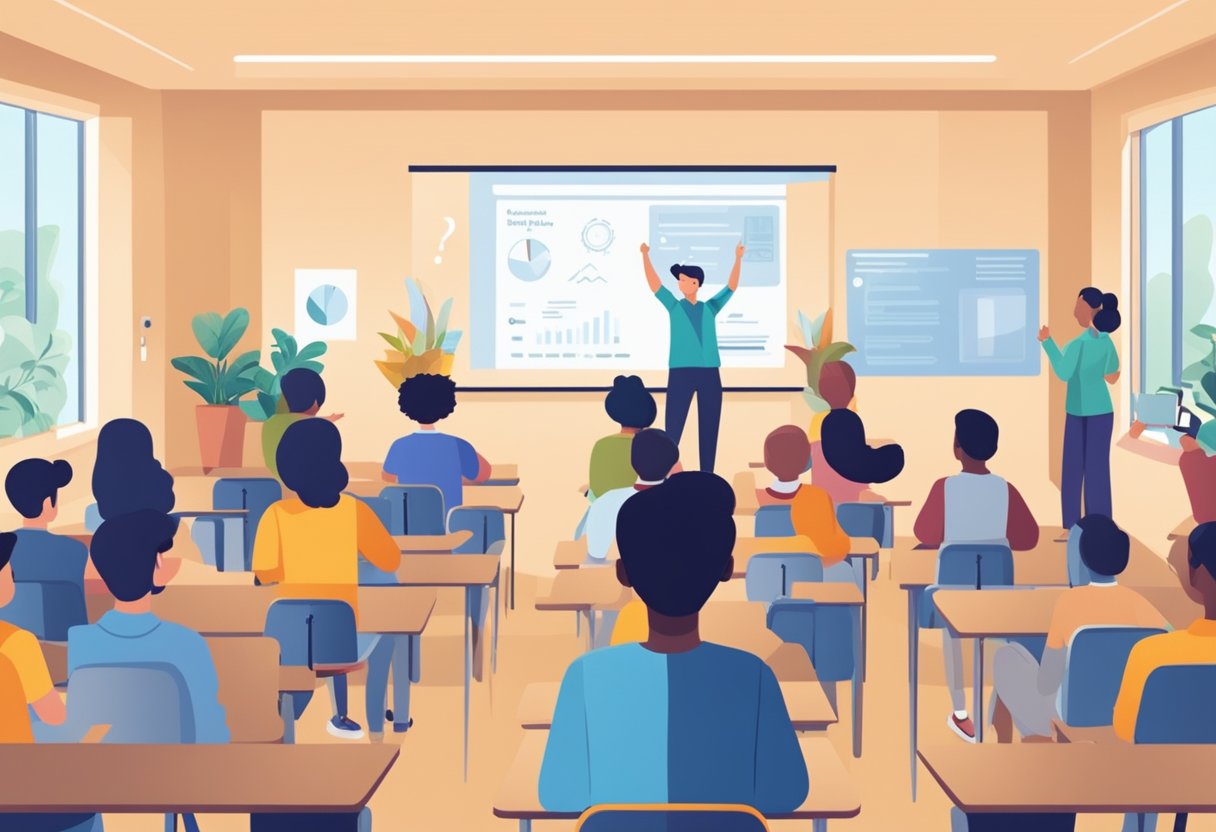
AI tools and technologies transform modern education through personalized learning paths, automated grading systems, and intelligent tutoring. Students and teachers alike benefit from AI-powered educational solutions that save time and improve learning outcomes.
What are practical examples of AI applications in education?
AI tools assist with grading and attendance tracking, letting teachers focus on teaching and student interaction.
AI writing assistants help students improve their essays and reports by providing real-time feedback on grammar, style, and structure.
Adaptive learning platforms adjust lesson difficulty based on student performance, ensuring each student learns at their optimal pace.
How can AI enhance the learning experience for students?
Smart tutoring systems provide instant help when students struggle with concepts, offering explanations tailored to their learning style.
Nearly 50% of K-12 students use AI tools like ChatGPT weekly to assist with homework and research.
AI-powered translation tools help international students better understand course materials in their native language.
What are the potential benefits and drawbacks of integrating AI into educational systems?
AI systems can analyze student performance data to identify learning gaps and suggest targeted interventions.
Teachers gain valuable time by automating routine tasks like grading multiple-choice tests and checking attendance.
Privacy concerns exist regarding student data collection and storage in AI systems.
In what ways might AI shape the future of education?
Virtual reality and AI will create immersive learning experiences for subjects like history, science, and geography.
AI-powered career guidance systems will help students choose educational paths based on their skills and interests.
Personalized curriculum development will become standard, with AI adjusting content to match each student’s progress.
How can educators and students be prepared for the increasing role of AI in education?
Schools need to develop clear policies and guidelines for AI use in classrooms and assignments.
Teachers require training in AI literacy to effectively integrate these tools into their teaching methods.
Students must learn responsible AI use while developing critical thinking skills to evaluate AI-generated content.
What are some AI tools currently used in educational settings for academic purposes?
Popular AI tools include Claude, Google Gemini, and Microsoft Copilot for writing and research assistance.
Grammarly Go helps students improve their writing skills through AI-powered suggestions.
Learning management systems use AI to track student progress and provide automated feedback on assignments.