



























AI for Students with ADHD: Transforming Learning Through Digital Support Tools
Students with ADHD face unique challenges in their academic journey. AI for students with ADHD is transforming learning by adapting to their unique needs. AI-powered platforms are changing the way these students learn by adapting to their individual needs and learning styles. These smart tools offer personalized support, from task management to study assistance, helping students with ADHD stay focused and organized.

AI ADHD assistants provide features like smart scheduling, automated reminders, and distraction-free interfaces. Tools like Todoist let students break down projects into smaller steps, set due dates, and create color-coded priorities that match their learning preferences.
Key Takeaways
- AI technology adapts to each student’s unique ADHD needs and learning style
- Smart tools provide automated scheduling and personalized reminders to keep students on track
- AI assistants help create distraction-free learning environments for improved focus
Understanding ADHD in the Learning Environment
Students with ADHD face specific challenges in educational settings that affect their ability to learn and perform academically. These challenges impact both their daily classroom experience and long-term academic success.
Symptoms and Challenges
Executive functioning difficulties create significant barriers in the classroom. Students often struggle with task initiation, time management, and organizing materials.
Common classroom challenges include:
- Difficulty maintaining focus During lectures, students with ADHD may benefit from specific strategies to manage their time effectively.
- Poor working memory affecting note-taking
- Disorganized materials and assignments
- Impulsive responses before instructions are complete
These students may fidget frequently or leave their seats at inappropriate times. Some find it hard to wait their turn during group activities or discussions.
Organization of schoolwork presents a major hurdle. Many students misplace important papers, forget deadlines, or struggle to break large projects into manageable steps.
Impact on Education
Traditional study methods often fall short for students with ADHD. Their academic performance can suffer despite having strong intellectual capabilities.
Reading comprehension may be affected when students:
- Miss important details in text
- Lose their place frequently
- Struggle to connect key concepts
Active learning strategies prove more effective than passive listening. Students perform better with hands-on activities and frequent movement breaks.
Teachers report that these students with ADHD often show inconsistent performance due to their neurodevelopmental disorder. They might excel one day and struggle the next, leading to frustration for both students and educators.
Classroom modifications like preferential seating and breaking tasks into smaller chunks can help improve academic outcomes.
AI Technology for Personalized Support

AI-powered tools adapt to individual learning styles and executive function needs through smart algorithms and real-time monitoring. These systems create custom experiences that help students with ADHD stay focused and organized.
Personalized Learning Pathways
AI algorithms analyze student needs to create tailored educational content that matches their reading level, comprehension abilities, and interests. These tools automatically adjust the difficulty and presentation of materials.
The technology tracks learning progress and identifies areas where students need extra help. When a student struggles with a concept, the AI suggests alternative teaching methods or breaks down complex topics into smaller chunks.
Interactive elements keep students engaged by incorporating their preferred learning styles – visual, auditory, or hands-on approaches. The AI remembers what works best for each student and applies these preferences to new content.
AI in Task and Time Management
Smart wearable devices track behavior patterns and send timely reminders for tasks and breaks. These AI assistants learn when students are most productive and schedule activities accordingly.
The technology helps break large projects into manageable steps. It creates custom to-do lists and sends gentle prompts when attention appears to drift.
Digital AI companions offer real-time support by:
- Monitoring focus levels
- Suggesting short breaks when needed
- Providing positive reinforcement
- Adjusting daily schedules based on energy patterns
- Setting realistic deadlines for assignments
Enhancing Focus and Productivity

AI-powered tools and techniques provide targeted support for students with ADHD to maintain attention and achieve better academic outcomes.
Tools for Increased Attention
AI-powered productivity tools can break down complex assignments into manageable steps and set timely reminders for deadlines. These tools adapt to each student’s unique needs and working style.
Top AI Tools for ADHD Students
| Tool Name | Primary Function | Key Benefit |
|---|---|---|
| Noty.ai | Meeting transcription | Reduces note-taking stress |
| GetSound AI | Adaptive soundscapes | Enhances concentration |
| Motion | Task scheduling is crucial for individuals with ADHD to help them stay on track. | Improves time management |
Smart focus soundscapes adjust in real-time based on cognitive state, helping reduce sensory overload during study sessions.
Gamification and Engagement Strategies
AI technology creates personalized learning experiences that turn routine tasks into engaging activities. Students earn points, badges, or rewards for completing assignments and maintaining focus.
Interactive AI tutors provide immediate feedback and encouragement, making learning more dynamic and rewarding. These systems track progress and adjust difficulty levels to maintain optimal engagement.
Games and simulations powered by AI help students practice active recall through fun challenges. This approach makes studying feel less overwhelming and more achievable.
Reward systems adapt to individual preferences, offering meaningful incentives that motivate continued effort and participation.
Creating an ADHD-Friendly Learning Environment
A well-designed learning space combined with effective learning practices makes a significant difference in helping students with ADHD stay focused and engaged. AI-powered tools and adaptive technologies are essential for supporting adults with ADHD. can enhance these strategies further.
Optimizing Physical Space
The physical environment plays a crucial role in maintaining attention. Natural lighting or full-spectrum lights reduce eye strain and improve alertness.
Students should position their desk away from windows and high-traffic areas to minimize distractions. A clutter-free workspace with designated spots for supplies helps maintain organization.
Color-coded storage systems and labeled containers make finding materials quick and stress-free. Each item needs a specific home to prevent lost or misplaced items.
Adopting Supportive Learning Practices
Digital habit tracking tools help students build consistent study routines. Breaking study sessions into 25-minute blocks with 5-minute breaks maintains focus.
Active learning techniques like mind mapping and hands-on activities increase engagement. Students benefit from using fidget tools or stress balls while studying to help manage their hyperactivity.
Quick mindfulness exercises between tasks help reset attention spans. Deep breathing or simple stretching works well for transitions.
Personalized learning platforms adjust to each student’s pace and learning style. These tools provide immediate feedback and break complex topics into manageable chunks.
The Future of AI in ADHD Management
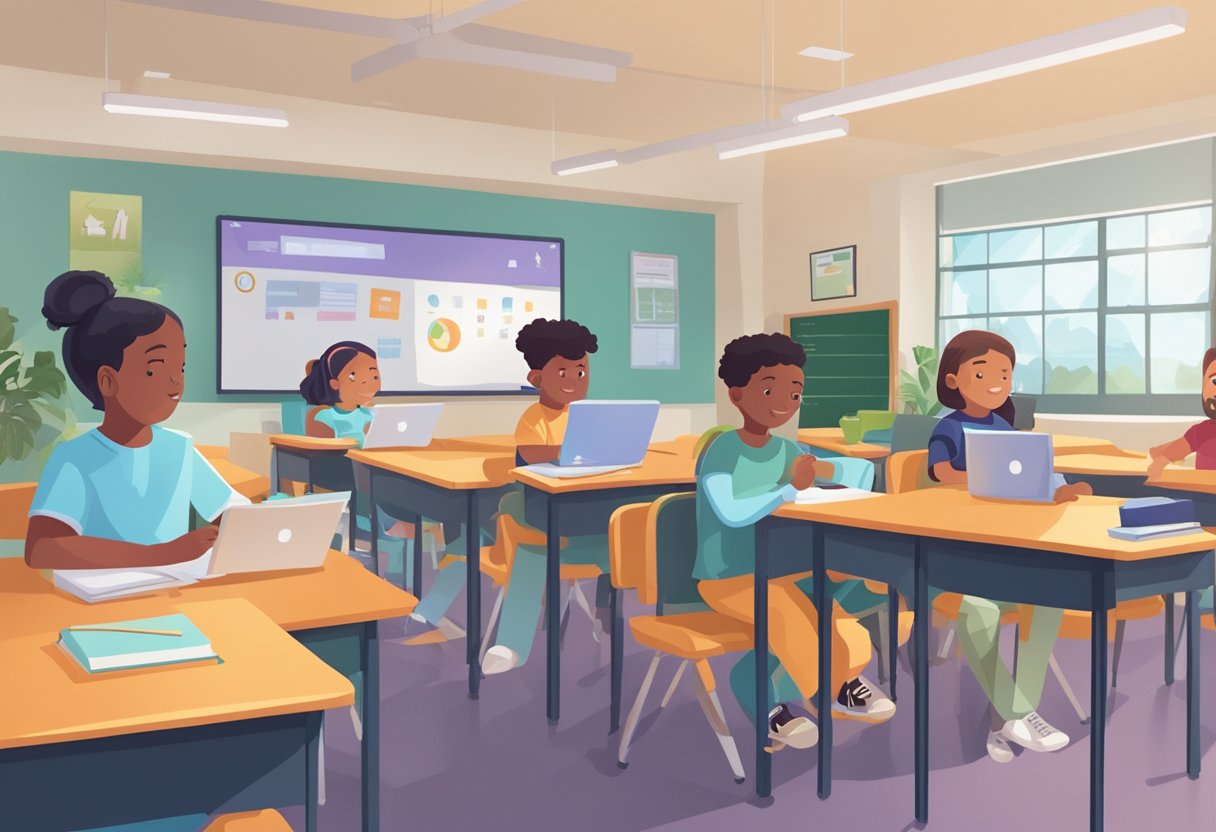
AI-powered learning systems will create personalized education environments that adapt to each student’s unique ADHD needs. These systems will analyze learning patterns and automatically adjust content delivery in real-time.
Smart devices will track focus levels and provide gentle reminders when attention drifts. This technology helps students stay on task without disrupting their workflow.
Advanced AI solutions are being developed to address specific ADHD challenges:
- Real-time attention monitoring
- Personalized task scheduling
- Adaptive learning pacing
- Automated organization tools
- Focus-enhancement algorithms
Virtual assistants will become more sophisticated at helping students manage their daily routines. These AI companions will learn individual patterns and provide support at key moments throughout the day.
New research in AI technology focuses on developing ADHD tools that can assist individuals with ADHD. points to improved diagnostic tools that can detect early signs of ADHD. These tools will help create more accurate treatment plans and track progress over time.
Digital workspaces will integrate AI features to minimize distractions and maximize productivity. Smart filters will adjust the learning environment based on individual concentration levels and work habits.
Students will benefit from AI systems that can break down complex assignments into manageable steps. These tools will provide clear structure while promoting independence and self-management skills.
Frequently Asked Questions
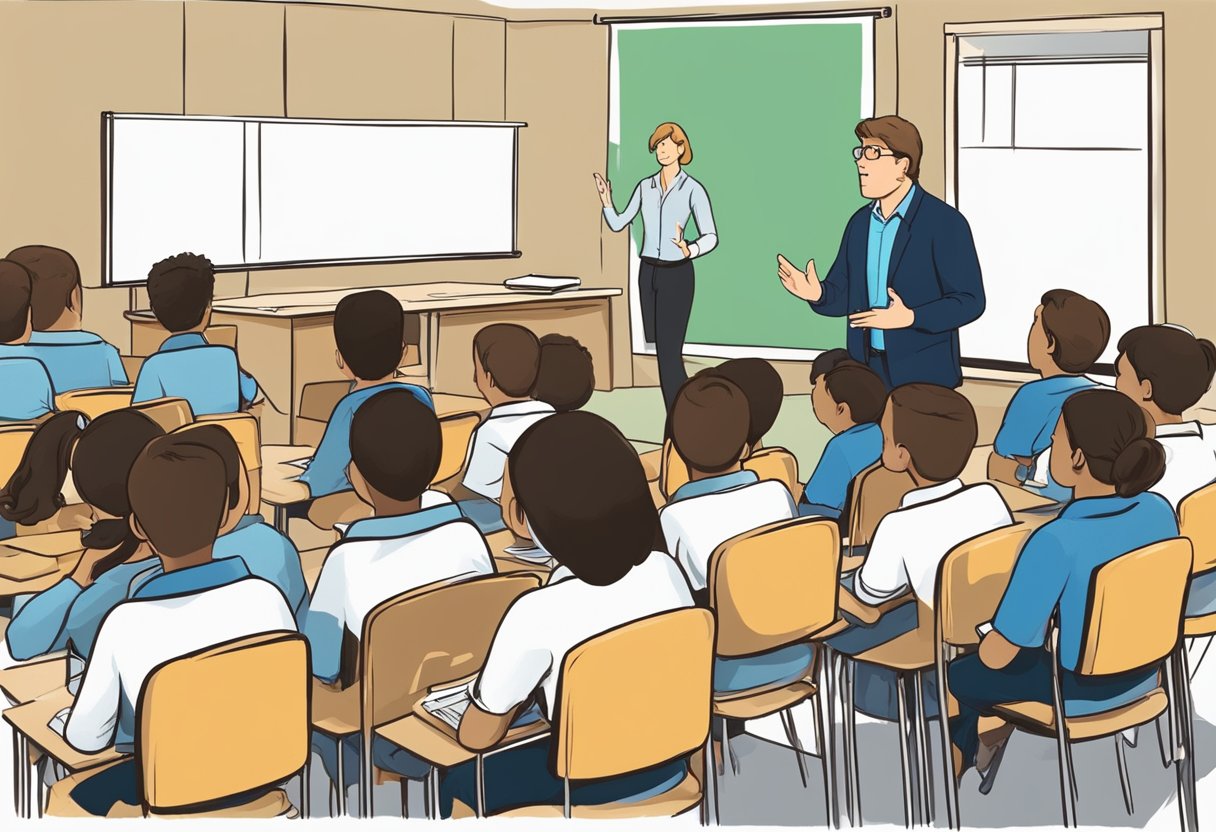
AI tools provide specific solutions for common ADHD challenges in academic settings. Digital assistants and smart applications enable students to stay organized, focused, and engaged in their coursework.
What are the top AI tools for helping students with ADHD manage their academic workload?
AI-powered productivity tools can break down complex assignments into manageable steps and set reminders for important deadlines. Tools like Microsoft OneNote with AI integration help organize class notes and study materials.
Smart calendar apps use AI to suggest optimal study times based on attention patterns and energy levels. These tools adapt to each student’s unique learning style and preferences.
How can artificial intelligence assist in the diagnosis and treatment of ADHD?
AI algorithms analyze behavioral patterns and attention levels to support medical professionals in assessment processes. Digital monitoring tools track progress and medication effectiveness.
Virtual tutors and digital assistants provide real-time feedback and support during learning activities. These tools help identify triggers for distraction and suggest personalized coping strategies.
What features should one look for in an AI-powered assistant designed for individuals with ADHD?
Simple, clean interfaces reduce visual distractions and cognitive load. Voice commands and natural language processing make task input quick and effortless.
Customizable notification systems prevent alert fatigue while maintaining important reminders. Smart task prioritization helps students focus on urgent assignments first.
Which AI applications are most effective for task organization and time management for ADHD students?
AI-powered productivity platforms can help individuals with ADHD stay on track. automatically sort and categorize tasks based on due dates and importance. These tools create visual schedules and progress trackers.
Time-blocking apps use AI to suggest optimal work periods and break times. They adapt schedules based on past performance and attention patterns.
How can AI-powered educational software improve learning outcomes for students with ADHD?
Adaptive learning systems adjust content difficulty based on student engagement and comprehension. Interactive elements maintain focus through gamification and immediate feedback.
Smart study tools create personalized quizzes and review materials. AI analyzes learning patterns to identify knowledge gaps and suggest targeted practice exercises.
In what ways can AI technology support teachers in accommodating ADHD students in the classroom?
AI monitoring tools help teachers track student engagement and identify attention challenges in real-time. Digital assistants can provide automated reminders and instructions for individual students.
Smart classroom management systems suggest effective teaching strategies based on student responses and participation patterns. These tools help create inclusive learning environments for people with ADHD while reducing teacher workload.