

























AI in Education 2024: The Role of AI Tools in Modern Schools
Artificial intelligence in education is gaining tremendous momentum, and 2024 promises groundbreaking transformations. From AI in schools reshaping how we approach teaching and learning to the remarkable role of AI in addressing diverse learning needs, there’s never been a more exciting time to explore modern education innovations. This article is worth reading because it unpacks how AI tools are redefining the educational landscape—explaining how they’re used, what benefits they bring, and why educators, students, and policymakers should embrace them. By the end, you’ll understand why harnessing AI is critical for elevating student performance and preparing our schools for the future.
1. What Is AI in Education?
AI in education refers to the use of artificial intelligence to personalize and enhance learning while helping students reach their full potential. AI is used in various ways, such as offering adaptive learning platforms, grading assistance, and interactive tutoring systems. When AI is used properly, it can analyze massive amounts of student data—from homework performance to quiz results—to tailor future lessons and provide real-time feedback.
The use of AI in education today goes far beyond simple automation. AI technologies can learn from student behavior and rapidly adapt to individual student needs and learning speeds. This cutting-edge approach ensures that each student has access to a learning experience optimized for their learning style. With the availability of tools like advanced analytics and speech recognition, educators can bridge learning gaps and offer more targeted support. In short, AI is transforming the field of education by offering unprecedented insight into student performance and redefining what a modern classroom can look like.
2. Why Is AI in the Classroom a Key Part of Modern Education?
Many educational institutions are seeing that AI in the classroom isn’t a futuristic idea; it’s a necessity for modern education. Incorporating AI-powered solutions helps teachers and administrators fine-tune instruction, address specific student needs, and streamline administrative tasks—ultimately allowing more time for actual teaching.
AI also alleviates the workload related to tasks like grading, scheduling, and lesson planning. With AI-powered tools now able to handle or assist with automating administrative tasks, educators can focus on creating educational materials that spark curiosity and creativity. When we talk about integrating AI, it’s clear that the use of AI has the potential to not only revolutionize teaching strategies but also improve student learning by giving immediate insights into strengths and weaknesses. This helps ensure that students receive the right support at the right time.
3. How Can Generative AI Improve the Learning Experience?

Generative AI is a branch of AI that produces new content—such as text, images, or even interactive simulations—based on patterns it has learned from existing data. In the realm of artificial intelligence in education, generative AI tools can use AI to create visually engaging lessons, create interactive educational games, or produce supplementary materials that keep students more involved in their studies. This rich, multifaceted approach can enhance learning for students of all ages, including students with disabilities who may benefit from interactive tools adapted to their needs.
Moreover, generative AI contributes to a dynamic learning experience by providing near-instant feedback and varied problem sets. This means teachers can personalize instruction to match each learning style, ensuring fewer students slip through the cracks. It’s all about leveraging AI capabilities to cultivate a classroom environment where diverse learners feel both challenged and supported.
4. Which AI Tools Should We Use to Streamline Teaching?
Choosing the right AI tools can be a game-changer for teachers and administrators. There’s a growing range of AI applications in education that help streamline tasks and offer data-driven insights. For example, certain platforms use AI to assess student essays, highlight grammatical errors, and offer writing tips—reducing the time teachers spend on grading. Other AI systems provide real-time analytics about student performance, spotting trends or issues before they become major problems.
When selecting AI tools, look for ones that address specific needs, whether that’s lesson planning, digital content creation, or assessment tools. You can also use ai to track student needs and learning styles, ensuring that each learner progresses at a comfortable pace. By using tools help teachers analyze large sets of data, educators can make informed decisions about resource allocation, class structure, and even seating charts. Ultimately, effective AI integration can streamline workflows and make daily teaching tasks far more efficient.
5. Is AI-Driven Assessment the Future of AI in Education?

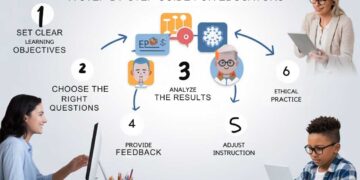
Yes, AI-driven solutions offer the precision, scalability, and adaptability that many traditional assessment methods lack. Educators often struggle with time-consuming grading, but AI can simplify the process by scanning tests, quizzes, or essays to pinpoint errors and provide instant feedback. This is where the future of AI in education truly shines: the technology helps educators measure not only how many answers a student got right, but also the complexity and depth of their understanding.
Alongside grading automation, AI can also predict areas where learners may struggle in the future. Early intervention is crucial, and with AI on board, teachers can identify red flags quickly and intervene with additional help or resources. As a result, the impact of AI on educational outcomes can be substantial, especially when teachers continually refine their methods based on ongoing analysis of student performance.
6. How Do AI Systems and the Potential of AI Revolutionize Education?
The potential of AI in the field of education is enormous. Current AI systems can customize lesson plans, identify learning bottlenecks, and offer specialized programs that tailor instruction to each student. Think of a tutor that never tires, always available to clarify confusion or challenge a student to explore new ideas. This is how AI is revolutionizing education: by providing supportive learning environments that scale to accommodate entire schools, districts, or even countries.
As AI development accelerates, we’re witnessing new ways to revolutionize teaching practices. Advanced AI capabilities make it possible to design courses based on complex data sets—everything from real-time performance metrics to historical academic records. This approach not only boosts student performance but also ensures that learning is aligned with the evolving demands of society and employers. The result is a more dynamic and relevant educational path that truly reflects the future of education.
7. Why Artificial Intelligence and Education Collaboration Matters for Teachers?
Artificial intelligence and education intersect in ways that can significantly help teachers. By handling routine tasks—like data input and lesson planning—AI frees teachers to focus on what they do best: inspire and mentor their students. The use of artificial intelligence in classrooms allows for quick adaptation of lessons if teachers see that a group of students isn’t grasping a concept. They can easily adjust pacing or add clarifying activities.
Additionally, AI can serve as an extra set of eyes and ears, monitoring student needs in real-time. For instance, speech recognition tools can note patterns in student presentations, while interactive software can alert teachers if a student repeatedly struggles with the same concept. This synergy ensures a more proactive, targeted approach to teaching and learning, reducing the possibility of students falling behind without the teacher’s immediate knowledge.
8. How the Right AI Tools Help Teachers Personalize Learning?

When you leverage AI tools effectively, you give educators the power to personalize learning like never before. Modern AI platforms can track how quickly a student grasps new ideas and modify subsequent lessons to match that individual’s pace. They can also use learning paths based on a student’s performance history, preferences, and learning style, making it simpler to provide tailored learning paths based on student needs and learning styles.
The ability to personalize and tailor instruction ensures that high achievers stay challenged while students who need more time receive targeted support. In this way, AI helps teachers close learning gaps while keeping advanced learners engaged. This approach significantly improves educational outcomes for all students, ensuring that students have equal opportunities to excel regardless of their background or abilities. Simply put, AI supercharges differentiation, making instruction more equitable and efficient.
9. What Are the Ethical Considerations in Integrating AI?
While the benefits AI brings to education are numerous, the ethical considerations cannot be overlooked. Implementing AI often involves collecting and analyzing large amounts of student data, which raises concerns about privacy, data security, and the ethical use of ai. Educators and administrators must ensure that AI solutions comply with all relevant regulations to protect student information and maintain trust within the school community.
In addition to data security, issues like the digital divide become more apparent when adopting AI. Some schools have the budget and resources to explore advanced AI solutions, while others do not. This gap can widen educational inequalities if not addressed. As interest in ai grows, it’s crucial to ensure that resource allocation and policy decisions prioritize inclusivity. That way, AI remains an agent of opportunity rather than an amplifier of inequity.
10. Shaping the Future of AI in Education: Key Takeaways
The shaping the future of AI in education calls for collaboration among students and educators, policymakers, technology experts, and the broader community. By using ai tools to enhance learning, we can create more engaging and equitable environments. Below is a quick summary of the most important elements covered in this discussion:
- Individual Student Needs and Learning: AI offers personalized education paths that adapt to individual student needs automatically.
- Helping Students and Teachers: AI can tutor, assist with grading, and streamline repetitive tasks, freeing teachers to focus on higher-level instruction.
- Leverage AI for Efficiency: With the use of AI, educators can reduce administrative burdens, pinpoint student performance issues, and plan better lessons.
- Generative AI Capabilities: AI-generated content and interactive tools can keep learners engaged while bridging the digital divide.
- Ethical Use of AI: Protecting privacy and ensuring equal access are critical components of any AI deployment in education.
- Future of AI: Continued advancements in ai will drive more innovative and revolutionizing education initiatives, from ai assists in real-time analytics to students using ai for creative projects.
- Harnessing the Power of AI: By implementing AI effectively, teachers and administrators can meet diverse student needs, produce tailored learning paths based on data, and truly transform education today.
Ultimately, AI is here to stay, and its role in artificial intelligence in schools will only grow. Whether you’re interested in ai applications in education, seeking to leverage ai tools in your classroom, or curious about how AI is shaping the future of education, embracing these emerging technologies is integral to making sure students and teachers thrive. By staying informed and proactive, we can ensure that AI remains a positive force in education, helping students learn in ways that were unimaginable just a few years ago.











Comments 3