






















So here’s the thing – I’m not a musician. At all. I teach math and mess around with tech, but I’ve always loved music. When I discovered that AI could help create songs, I went down a rabbit hole that I never expected.
Let me share what I’ve learned from countless late nights experimenting with these tools. Fair warning: this comes from someone whose musical background consists mainly of humming in the shower and that one time I tried learning the bass guitar (spoiler: it didn’t stick).
Getting Started: The Basics
I started with ChatGPT because, well, that’s what I knew. Then I found Suno and honestly couldn’t believe what it could do. Here’s what I’ve figured out through trial and error (mostly error):
First Attempts:
- Tried writing a love song. Result: Hilariously bad, but in an entertaining way
- Attempted a rap about mathematics. My students still tease me about it
- Finally made something decent after about 20 attempts
What Actually Works: Creating a Song with ChatGPT and Suno
After countless failed attempts, I’ve refined a process that actually delivers decent results. Here’s how I go from an idea to a full song using ChatGPT and Suno, step by step.
Step 1: Start with ChatGPT
Before jumping into the music, I start with ChatGPT to get the lyrics right. The goal is to create something engaging, well-structured, and (most importantly) not cringe-worthy.
1.1 Tell ChatGPT What Kind of Song You Want
Be clear about the song’s theme, mood, and purpose. Think about:
- The subject (e.g., math concepts, history facts, a funny classroom moment)
- The tone (serious, humorous, motivational, etc.)
- The genre (rap, rock, pop, country, etc.)
Example Prompt:
“Help me write lyrics about solving equations, but make it funny and relatable for 7th-grade students. Include something about why negative numbers are like teenage mood swings.”
1.2 Give Specific Details
The more details you provide, the better the lyrics. You can specify:
- Any key phrases you want included
- Whether you want a chorus and verses
- Any references (pop culture, analogies, inside jokes for your audience)
Example Adjustments:
- “Make it sound like a mix of a Taylor Swift breakup song and a math lesson.”
- “Can you rewrite this part so it flows better?”
- “Add a funny twist at the end.”
1.3 Keep Tweaking Until the Lyrics Don’t Make You Cringe
ChatGPT will generate lyrics, but they’re rarely perfect on the first try. Keep refining by:
- Asking for a catchier chorus
- Rewriting verses to be more relatable
- Checking if the rhythm and flow work when spoken aloud
Once the lyrics feel solid, it’s time for the next step.
Step 2: Move to Suno
Now that I have the lyrics, I use Suno to turn them into an actual song.
2.1 Copy & Paste the Lyrics into Suno
Take the final version of your lyrics and paste them into Suno’s song generator.
2.2 Pick a Music Style
Suno lets you choose different styles, and I’ve found that pop and indie are the most forgiving. They make even the most awkward lyrics sound decent.
Some things to consider when choosing a style:
- Upbeat and catchy? Try pop or electronic.
- Emotional and dramatic? Go with indie or singer-songwriter.
- Energetic and playful? Hip-hop or funk might work.
2.3 Let Suno Generate a Few Versions
Suno will produce different variations based on the same lyrics. Some will sound weird, others might actually work. Don’t settle for the first version—generate a few and compare.
2.4 Pick the Least Embarrassing One
Not every AI-generated song is going to be a hit, but at this stage, I listen and pick the one that’s the most tolerable (or even surprisingly good).
Here is the actual song and the lyrics used (Suno took a few artistic liberties..)
Verse 1
I walked into math class feelin’ kinda stressed,
Teacher wrote a problem—said, “Give it your best!”
X is missin’, like it’s playin’ hide and seek,
Gotta find the value, yeah, it’s lookin’ kinda bleak.
Pre-Chorus
Step one: Do the same thing to both sides,
Step two: Keep it balanced, like a bike ride.
Step three: Isolate the X, you see?
Step four: Check your work—don’t blame me!
Chorus
Why are negative numbers just like mood swings?
Happy one second, then—BAM!—they sting.
One wrong move, and the signs flip quick,
Just like my bestie when she’s feelin’ mystic.
(X is found, take a bow, that’s legit!)
Verse 2
Equations ain’t scary if you take ‘em real slow,
Just cancel out numbers like a math magic show.
If it’s plus, use minus—flip it and reverse,
Like turning bad vibes into sick new verse.
Pre-Chorus (Repeat)
Step one: Do the same thing to both sides,
Step two: Keep it balanced, like a bike ride.
Step three: Isolate the X, you see?
Step four: Check your work—don’t blame me!
Bridge
If X is a mystery, don’t freak out,
Distribute, combine—what’s this about?
If two negatives meet, they turn real bright,
Kinda like my mood when I sleep all night!
Chorus (Repeat)
Why are negative numbers just like mood swings?
Happy one second, then—BAM!—they sting.
One wrong move, and the signs flip quick,
Just like my bestie when she’s feelin’ mystic.
(X is found, take a bow, that’s legit!)
Outro
So next time X tries to disappear,
Just stay cool—it’s crystal clear!
Balance the scales, take it step by step,
Now solving for X is light work—yep!
Practical AI Tools for Music Educators
AI tools are becoming essential in music education. They offer innovative ways for educators to enhance teaching methods and engage students. The following AI tools provide remarkable benefits for music learning, making the educational experience more effective.
Suno for Music Learning
Suno is an AI platform designed to assist music educators and learners alike. It focuses on personalized music learning experiences by adapting to each student’s needs.
Through Suno, students can access a range of music genres and styles. The platform uses AI to recommend songs that match their skill level and preferences. This helps keep students engaged and motivated.
Teachers can monitor progress and adjust lesson plans accordingly. Suno also includes features for collaborative learning, allowing students to work together on projects. This tool enhances creativity and fosters teamwork among students.
Chap GPT for Creating Lyrics
Chap GPT is another valuable tool for music educators. It helps students and teachers in writing lyrics and developing creative ideas. Chap GPT generates lyrics based on prompts provided by users.
Students can experiment with different themes and styles. This encourages exploration and self-expression in their songwriting process. Teachers can also use it for brainstorming sessions, making it easier to dive into lyric writing concepts.
Using Chap GPT, students can learn about rhyme, meter, and structure in song lyrics. The AI tool can suggest revisions, helping users refine their work. This interactive approach supports growth in songwriting skills.
AI-Driven Music Analysis Software
AI-driven music analysis software offers insights into various musical elements like melody, harmony, and rhythm. These tools analyze pieces of music and provide feedback on performance.
They can identify patterns and trends in a student’s playing style, which helps educators tailor instruction. By using this technology, teachers can pinpoint areas of improvement for each student.
Additionally, this software often includes features for comparing performances. Students can see how they stack up against professional musicians. This helps set goals and encourages them to strive for improvement. AI-driven analysis not only aids in learning but also makes it more engaging.
Integrating AI into the Music Classroom
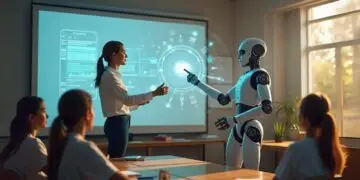
Integrating AI in music education enhances learning experiences, making them more engaging and effective. This approach includes developing curricula that leverage technology, using interactive music games for practice, and implementing AI tools for assessment and feedback.
Curriculum Development with AI
AI tools can transform curriculum development by personalizing the learning process. Programs like Suno utilize algorithms to create customized lesson plans that cater to individual student needs.
Benefits of AI in Curriculum:
- Personalization: Adapts content to match student skill levels.
- Accessibility: Offers resources for diverse learning styles.
- Efficiency: Saves time in curriculum planning for educators.
Music teachers can utilize platforms that analyze students’ progress and suggest appropriate materials. This ensures that the content remains relevant and engaging, which boosts student motivation and participation.
Interactive Learning with AI Music Games
AI-powered music games engage students while they learn. Tools like ChatGPT can help generate lyrics or compose melodies, making music education fun.
Key Features of Interactive Learning Games:
- Real-Time Feedback: Students receive immediate insights on their performance.
- Engagement: Gamification keeps students motivated.
- Collaboration: Some programs allow group activities, enhancing teamwork.
By incorporating these games, teachers can create a dynamic learning environment. Students are more likely to experiment with music composition and theory, increasing their understanding and enjoyment of the subject.
Assessment and Feedback Using AI
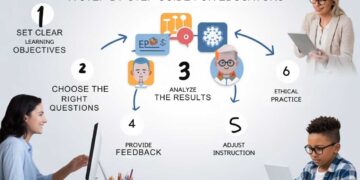
AI technology significantly streamlines assessment and provides constructive feedback. AI tools can evaluate students’ performances and offer insights on areas needing improvement.
Advantages of AI in Assessment:
- Objective Evaluation: Reduces human bias in grading.
- Detailed Feedback: Highlights specific strengths and weaknesses.
- Progress Tracking: Monitors student growth over time.
Using platforms that analyze musical data, teachers can make informed decisions about future lessons. This tailored approach enhances student learning and allows for adjustments in teaching strategies as needed.
Frequently Asked Questions
This section addresses common queries related to the use of AI in music education. It covers methods for integrating AI tools, enhancing student engagement, and the role of AI in music performance and theory.
What are effective methods for integrating AI tools into music composition lessons?
Music educators can integrate AI tools by incorporating platforms like Suno AI for composition. Educators can guide students to experiment with various styles and sounds using these tools. Project-based learning can help students create their own pieces using AI-generated music.
How can music educators use AI to enhance student engagement and creativity?
AI can be a powerful motivator in the classroom. By allowing students to create unique compositions, educators can stimulate creativity. Engaging students in collaborative projects with AI tools encourages them to explore new musical ideas.
What is the role of AI in analyzing and improving musical performance?
AI can analyze recordings of student performances to provide detailed feedback. This includes identifying technical issues and suggesting improvements. Educators can use AI insights to tailor their instruction and focus on specific areas for development.
Can AI-generated feedback assist students in music practice sessions?
AI-generated feedback can be highly effective during practice. Tools that analyze pitch, timing, and rhythm help students fine-tune their skills. Instant feedback allows students to make adjustments in real-time, promoting faster learning.
In what ways can AI applications facilitate music theory and ear training?
AI applications can help students grasp music theory concepts through interactive learning. Programs can offer exercises that adapt to student levels, enhancing understanding. Additionally, AI tools can assist in ear training by providing customized listening exercises.
How do AI-based lyric-generating tools aid in teaching songwriting skills?
AI lyric-generating tools help students brainstorm ideas and develop their songwriting skills. By inputting themes or emotions, students can receive suggestions that inspire their lyrics. This encourages experimentation and boosts confidence in their writing abilities.












Comments 1