

























Teachers spend countless hours creating lesson plans, assignments, and educational content. AI technology is changing this traditional approach to curriculum development. AI-powered tools can now generate customized learning materials, quizzes, and lesson plans in minutes, saving educators valuable time while maintaining high educational standards.

The shift toward AI-assisted curriculum planning marks a significant change in how schools prepare and deliver educational content. These tools analyze learning objectives, student needs, and educational standards to create engaging materials that adapt to different learning styles and abilities.
Smart content creation systems help teachers focus more on student interaction and less on administrative tasks. These AI tools support educators by suggesting improvements, identifying gaps in learning materials, and offering alternative teaching approaches based on proven educational methods.
Key Takeaways
- AI tools create personalized educational content and assessments in minutes
- Teachers can spend more time interacting with students instead of planning lessons
- Smart technology ensures learning materials align with educational standards and student needs
The Evolution of Curriculum Design
Curriculum design has transformed from simple lesson plans into data-driven systems that adapt to student needs. Modern AI tools now enhance traditional educational frameworks while maintaining core teaching principles.
Historical Perspective of Curriculum Development
Traditional curriculum development started in the early 1900s with basic standardized learning objectives. Teachers created lesson plans by hand and relied on textbooks as primary resources.
The 1960s brought systematic approaches to curriculum planning. Schools began using learning taxonomies and structured frameworks to organize educational content.
Digital tools emerged in the 1990s, letting educators share and store curriculum materials electronically. This shift made updating and distributing content much easier.
Impact of AI on Educational Innovation
AI systems now analyze student performance data to suggest personalized learning paths. These tools help teachers create custom materials that match different learning styles.
Modern AI platforms generate quizzes, assignments, and study guides automatically. This saves educators time and ensures consistent quality across materials.
Smart algorithms adapt lesson difficulty based on student progress. The technology spots learning gaps and suggests targeted exercises to help students improve.
Teachers use AI to grade assignments and track student achievement patterns. This gives them more time to focus on direct student interaction and support.
AI Algorithms in Lesson Planning
AI algorithms transform how teachers create and adapt lesson plans through automated content generation, personalized learning paths, and data-driven insights. These tools help educators work more efficiently while meeting diverse student needs.
AI-Assisted Content Design
AI systems can generate lesson outlines, learning objectives, and instructional materials in minutes. Teachers input key topics and learning goals, and AI suggests relevant activities and resources.
The algorithms analyze curriculum standards to ensure alignment while offering creative teaching approaches. For example, an AI might recommend interactive simulations for physics concepts or generate practice problems at different difficulty levels.
AI tools help create multimedia content like presentation slides, worksheets, and assessment questions. This saves teachers time on routine tasks so they can focus on student interaction.
Differentiation and Personalization
AI algorithms track individual student progress and automatically adjust content difficulty. The system identifies knowledge gaps and provides targeted practice materials.
Students can move at their own pace through lessons, with AI offering extra support or challenges as needed. The technology adapts teaching methods based on each learner’s preferences and strengths.
Smart platforms recommend different ways to present information – text, video, or hands-on activities – matching students’ learning styles.
Data Analysis and Learning Analytics
AI systems collect detailed data on student engagement and performance. Teachers receive real-time insights about which concepts students find challenging.
Analytics dashboards show class-wide trends and individual progress metrics. This helps educators make informed decisions about lesson pacing and review needs.
The algorithms can predict which students might struggle with upcoming topics. This allows teachers to provide early intervention and support before difficulties arise.
AI tools measure learning outcomes against curriculum goals and suggest ways to improve instruction based on performance data.
Challenges and Considerations

AI-assisted curriculum planning brings significant technical and ethical challenges that need careful attention. Schools and educators must address data protection, bias mitigation, and system flexibility to create effective learning solutions.
Data Privacy and Ethical Concerns
Educational institutions collect vast amounts of student data through AI systems, raising privacy concerns about storage and usage. Schools need strict protocols to protect sensitive information like academic records, learning patterns, and personal details.
Teachers and administrators must obtain proper consent before gathering student data. Clear policies should outline data collection purposes, storage duration, and access controls.
Many countries have specific regulations for handling student information. Schools must comply with laws like FERPA in the US and GDPR in Europe to avoid legal issues and protect student privacy.
Algorithmic Bias and Its Impact
AI systems can reflect existing biases in educational data, leading to unfair treatment of certain student groups. These biases might affect content recommendations, assessment evaluations, or learning path suggestions.
Common sources of bias include:
- Historical data reflecting past inequities
- Limited diversity in training datasets
- Cultural assumptions in programming
Regular audits help identify and correct biases in AI algorithms. Schools should use diverse datasets and multiple validation methods to ensure fair treatment of all students.
Continuous Improvement and Adaptability
AI curriculum systems need regular updates to stay current with educational standards and technological advances. Schools must allocate resources for system maintenance and improvements.
Technical teams should monitor system performance and gather feedback from teachers and students. This data helps identify areas needing adjustment or enhancement.
Professional development programs help teachers adapt to system changes. Regular training sessions ensure educators can use new features effectively and provide meaningful input for improvements.
Technology Integration in Modern Curriculum
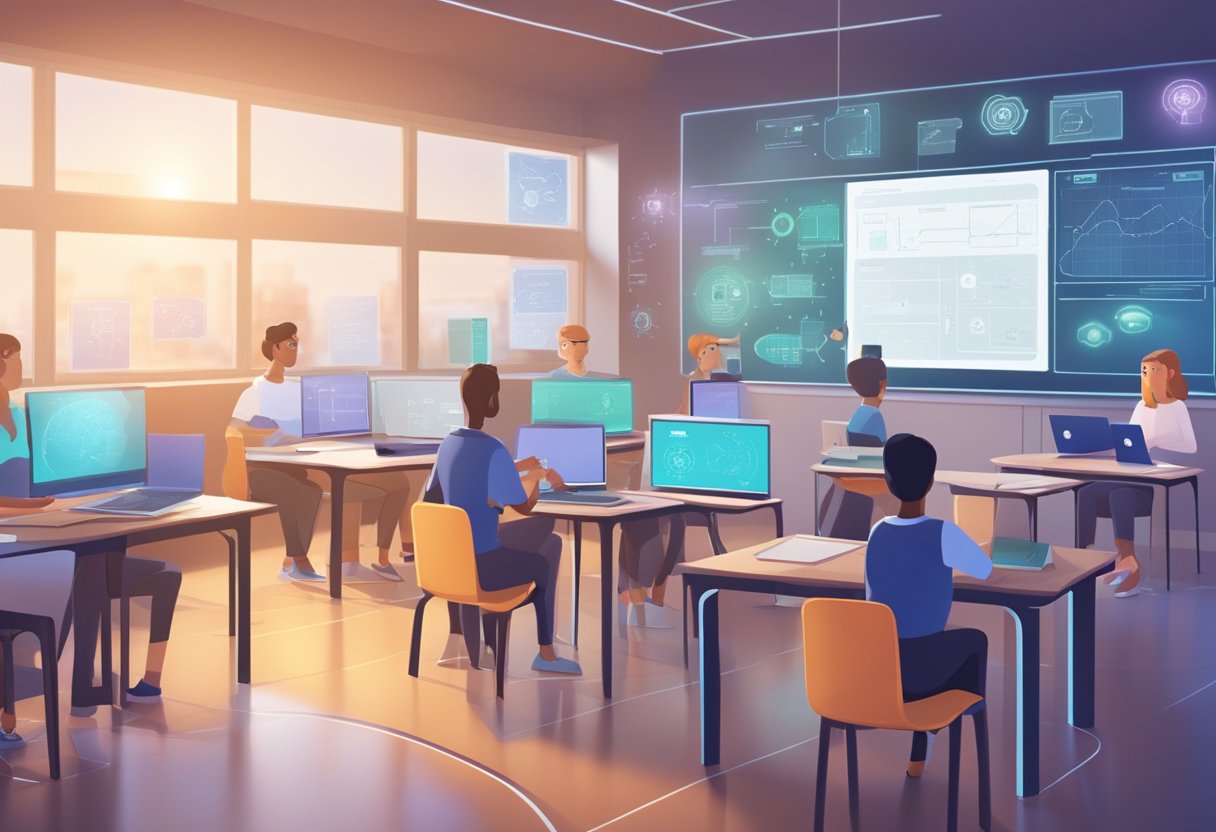
Digital tools and artificial intelligence are reshaping how educators create and deliver course content. These technologies enable faster content creation, personalized learning paths, and wider access to educational materials.
Role of AI in Online Courses and MOOCs
AI systems help create and manage online courses by generating quizzes, assignments, and practice exercises. Machine learning algorithms track student progress and adjust content difficulty in real-time.
Educational platforms use AI to provide instant feedback on student work and identify areas where learners need extra support. This automated assistance helps teachers focus more time on individual student needs.
AI-powered translation tools make courses accessible to global audiences. Leading MOOC platforms now offer content in multiple languages, breaking down language barriers in education.
Advances in Instructional Design
Smart authoring tools speed up course development by suggesting learning objectives and activities based on curriculum standards. These tools help maintain consistency across different course sections.
AI assists instructional designers by analyzing student data to identify effective teaching methods. This data helps create more engaging content formats like interactive simulations and multimedia lessons.
Digital assessment tools provide detailed analytics on student performance. Teachers can use these insights to modify their teaching strategies and materials.
Open Access and Sharing Educational Resources
Creative Commons licenses enable educators to share and adapt teaching materials legally. This sharing reduces duplicate work and brings quality content to more students.
Digital repositories store thousands of free educational resources. Teachers can find, modify, and combine these materials to build custom curricula.
Many universities partner with publishers like Elsevier to make academic content more accessible. These partnerships create affordable options for students while maintaining content quality.
Future Directions in AI-Enhanced Education

AI technology is reshaping education through personalized learning experiences, enhanced critical thinking development, and innovative teaching methods. These advancements create new opportunities for students and educators to achieve better learning outcomes.
Developing Critical Thinking and Creativity
AI tools help students analyze complex problems by breaking them down into manageable components. Digital simulations and interactive scenarios let students practice decision-making in safe environments.
Students learn to evaluate information sources and develop reasoning skills through AI-guided exercises that adapt to their progress. The technology identifies areas where students need more practice with specific critical thinking skills.
Creative expression gets a boost from AI systems that provide instant feedback on writing, art, and design projects. This immediate response helps students refine their work while maintaining their unique creative voice.
Personalized Learning Paths
AI systems track student performance and adjust content difficulty in real-time. Each student moves at their optimal pace through the curriculum.
Machine learning algorithms identify knowledge gaps and suggest targeted resources to fill them. This creates a custom learning journey for every student.
Smart scheduling tools help students manage their study time effectively. The system recommends when to review specific topics based on individual learning patterns.
Pedagogical Practices for AI Integration
Teachers use AI assistants to create differentiated lesson plans that match diverse learning styles. The technology helps identify which teaching methods work best for different groups of students.
AI-powered analytics give teachers insights into class performance trends. This data helps them make informed decisions about lesson pacing and content delivery.
Professional development platforms use AI to help teachers master new teaching techniques. These systems provide practical examples and feedback as educators learn to integrate technology into their lessons.
Conclusion

AI-assisted curriculum planning brings powerful new capabilities to education. Teachers can now create personalized content faster while maintaining high quality standards.
The technology helps generate quizzes, exercises, and learning materials that adapt to different student needs. This personalization supports both advanced learners and students who need extra help.
AI tools make educational content more accessible through automatic translations, audio transcriptions, and alternative text for images. These features help special education students engage with materials in ways that work best for them.
Teachers spend less time on repetitive content creation tasks. This gives them more opportunities to focus on student interactions and track learning outcomes.
The combination of AI assistance and teacher expertise creates stronger educational experiences. Students benefit from consistent, well-designed materials that match their learning goals.
Success metrics show improved student engagement and better test scores when AI helps shape curriculum content. These tools will continue to evolve and enhance learning outcomes across different subjects and grade levels.
Frequently Asked Questions
AI technology brings powerful tools to educational content creation, making curriculum development faster and more personalized while raising important questions about implementation and ethics.
How can artificial intelligence revolutionize curriculum development?
AI algorithms analyze vast amounts of educational data to identify learning patterns and student needs. This helps create targeted lesson plans and materials that match specific learning objectives.
The technology speeds up content creation by generating initial drafts of lessons, assessments, and activities. Teachers can then refine these materials to ensure quality and relevance.
AI tools adapt curriculum materials based on student performance data, creating a more responsive learning experience.
What are the benefits and challenges of AI tools in curriculum creation?
AI saves time by automating routine tasks like organizing content and generating practice questions. The tools help maintain consistency across different subjects and grade levels.
Technical limitations and the need for human oversight present ongoing challenges. Teachers must verify AI-generated content for accuracy and appropriateness.
Cost and training requirements can create barriers for some schools implementing AI curriculum tools.
In what ways does AI impact instructional design and educational content?
AI analyzes student learning data to suggest effective teaching strategies and content delivery methods. The technology helps create interactive elements and multimedia resources.
Personalization features allow content to adjust based on individual student progress and learning styles.
What advantages do AI-generated curricula offer to educators and students?
Teachers gain access to diverse learning materials and assessment options quickly. Students receive more targeted content that matches their skill levels and interests.
AI helps identify gaps in learning and suggests remedial content automatically.
How can schools implement AI-assisted content creation effectively?
Schools should start with pilot programs in specific subjects or grade levels. Teacher training must focus on both technical skills and effective use of AI tools.
Regular evaluation helps measure the impact on student learning and adjust implementation strategies.
What ethical considerations arise from the use of AI in educational planning?
Data privacy and security require strict protocols to protect student information. Schools must ensure AI tools don’t perpetuate bias in educational content.
Teachers need to maintain meaningful involvement in curriculum decisions rather than relying solely on AI recommendations.
The balance between automation and human judgment remains essential for quality education.