

























AI tools are changing how teachers work in 2025. These free tools can help you save time and make your lessons more fun.
Many of these AI tools can create lesson plans, grade papers, and even help students learn better.
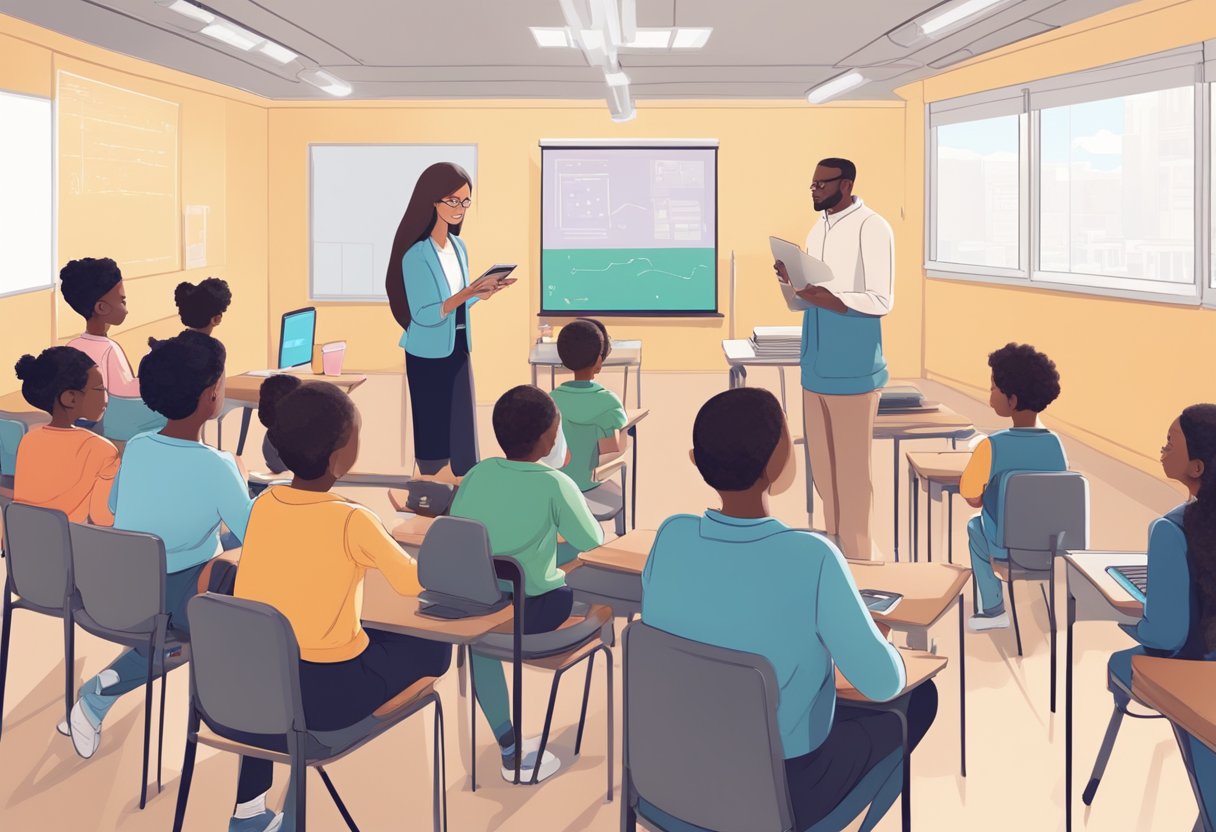
You can find AI tools for almost any task in the classroom. Some tools can make quizzes and tests for you. Others can help explain hard topics to students in new ways.
There are even AI tools that can keep track of how well your students are doing.
Using these free AI tools can make your job easier and help your students learn more. They can give you new ideas for lessons and help you focus on what’s most important – teaching your students.
Key Takeaways
- Free AI tools can save teachers time and improve student learning
- AI tools exist for many classroom tasks, from lesson planning to grading
- Using AI in teaching can make lessons more engaging and personalized for students
Selecting the Right AI Tools for Classroom Engagement
AI tools can make lessons more fun and help students learn better. They let you create quizzes and games that get kids excited about the material.
These tools also adapt to each student’s needs.
Enhancing Interactive Lessons and Quizzes
Kahoot! is a great free tool for making fun quizzes. You can use it to review topics or introduce new ones.
Students can join on their phones or computers.
Quizlet offers flashcards and study games. It’s good for vocab practice or quick facts. You can make your own sets or use ones others have made.
Socrative lets you run quizzes in real-time. You can see how students are doing right away. This helps you know what to review more.
Boosting Personalized Learning Experiences
EdPuzzle makes videos more interactive. You can add questions throughout a video to check understanding.
It tracks which students watch the videos and how they do on questions.
AI tools can figure out what each student needs help with. They give extra practice on tough topics.
This means every student can learn at their own speed.
Some tools let you make custom study plans. They look at test scores and classwork to suggest what to focus on.
This helps students use their study time better.
AI-Powered Content Creation and Lesson Planning
AI tools are revolutionizing how teachers create content and plan lessons. These tools save time and spark new ideas for engaging materials.
Designing Engaging Teaching Materials
Canva for Education offers AI-powered design features to make eye-catching visuals. You can quickly create presentations, infographics, and worksheets tailored to your lessons.
The AI suggests layouts and graphics based on your topic.
Another useful tool is Twee. It helps you generate custom stories, dialogues, and articles for any subject or grade level. You can input a topic, and Twee will craft age-appropriate content to support your lesson objectives.
For video-based lessons, try AI tools that generate questions from YouTube videos. These questions can spark class discussions or be used for assessments.
Streamlining Lesson Plan Development
AI assistants like ChatGPT can help brainstorm lesson ideas and activities. You can describe your lesson goals, and the AI will suggest engaging ways to teach the material.
This can be especially helpful when you’re stuck or want fresh approaches.
Some AI planners analyze curriculum standards and suggest lesson structures to meet key objectives. You input your topic and grade level, and the tool outlines a lesson plan with activities and assessments.
AI writing tools can help polish your lesson plans. They check for clarity and suggest ways to make instructions more concise and easy to follow.
Language and Writing Tools for Enhanced Learning

AI-powered language and writing tools can help students improve their communication skills. These tools offer personalized feedback and interactive lessons to boost grammar, vocabulary, and overall language proficiency.
Grammar and Writing Assistance
Grammarly is a popular AI writing assistant that checks grammar, spelling, and style. It gives real-time suggestions as you type, helping you catch mistakes and refine your writing.
QuillBot is another useful tool that offers paraphrasing and summarizing features. It can help you reword sentences for clarity or condense long texts.
These tools are great for essays, reports, and other written assignments. They can point out common errors and suggest improvements, acting like a digital writing tutor.
Linguistic and Vocabulary Development
AI-powered language learning apps use interactive lessons and flashcards to boost vocabulary and language skills. They adapt to your level and learning pace, making language acquisition more engaging and effective.
Some apps offer virtual conversations with AI language partners. This lets you practice speaking and listening in a safe, judgment-free setting.
You can work on pronunciation, learn new phrases, and gain confidence in using the language.
These tools often use spaced repetition to help you remember new words and phrases. They track your progress and revisit challenging items to ensure long-term retention.
Assessment and Feedback Mechanisms Through AI

AI tools are changing how teachers assess student work and give feedback. These tools make grading faster and help students learn better.
Grading and Formative Assessments
AI-powered grading tools like Gradescope speed up the marking process. You can use them to grade papers, quizzes, and tests quickly.
These tools learn from your grading style and get better over time.
AI also helps with formative assessments. You can create short quizzes that check student understanding during lessons.
The AI analyzes answers and shows you which topics need more focus.
Some AI tools can grade essays too. They look at things like grammar, structure, and content. This frees up your time to give more detailed feedback on ideas and creativity.
Providing Real-time Feedback for Students
AI tools can give students instant feedback on their work. This helps them learn faster and stay motivated.
When students submit assignments online, AI can check for basic errors right away. It might spot spelling mistakes or math errors.
Students can fix these before turning in their final work.
Some AI writing assistants give suggestions as students type. They help with grammar and style.
This teaches students to write better in real-time.
For math and science, AI can show step-by-step solutions. If a student gets stuck, they can ask for hints.
This helps them learn at their own pace without waiting for teacher help.
Professional Development and Classroom Management

AI tools are changing how teachers learn and run their classrooms. These new technologies make it easier to grow your skills and keep students on track.
Utilizing AI for Teacher Training
AI can help you learn new teaching methods quickly. Online platforms use AI to suggest courses based on your needs.
You can take bite-sized lessons during breaks or after school.
Some tools use virtual reality to let you practice teaching in a safe space. You can try out different approaches and get feedback right away.
AI coaches can watch your lessons and give tips on how to improve.
Many schools now use AI to track your growth as a teacher. The system can spot areas where you excel and suggest ways to share your skills with others.
Innovative Solutions for Managing the Classroom
AI tools can make classroom management easier. Smart systems can take attendance and track student progress without you lifting a finger.
You can use AI to create custom lesson plans that fit each student’s needs. The software can suggest activities based on how well kids are doing.
Some tools use AI to monitor student behavior. They can alert you to potential issues before they become big problems.
This lets you focus on teaching instead of discipline.
AI can also help with grading and feedback. It can check basic work quickly, giving you more time to focus on deeper learning.
Some systems can even spot patterns in student mistakes, helping you address common issues.
Frequently Asked Questions
Teachers have many questions about using AI tools in the classroom. These tools can help with various tasks like creating content, grading, and making lessons more engaging.
What are the top-rated AI tools for enhancing teaching in 2025?
Some highly rated AI tools for teachers in 2025 include Canva for Education, ChatGPT, and Grammarly. These tools help create visuals, generate ideas, and improve writing.
Socratic by Google and Duolingo are also popular for personalized learning. They adapt to each student’s needs and pace.
How can AI tools assist in creating quizzes and assessments?
AI tools can generate quiz questions based on lesson content. They can also create different question types like multiple choice, true/false, and short answer.
Some AI tools can even tailor quizzes to individual student levels. This helps teachers save time while making assessments more effective.
Which free AI applications can help teachers automate grading?
AI For Teachers is a free tool that simplifies grading. It can quickly check multiple-choice questions and provide instant feedback.
Kangaroos AI offers AI-powered essay grading. It uses customizable rubrics to assess writing assignments, saving teachers hours of work.
What AI software is available for generating educational content?
ChatGPT can help create lesson plans, worksheets, and study guides. It can generate content on various subjects and adapt it for different grade levels.
Canva’s AI features can design infographics and presentations. These visuals can make complex topics easier for students to understand.
Can AI be used to develop interactive and engaging classroom slides?
Yes, AI can make classroom slides more interactive. SlidesAI.io uses AI to turn text into engaging presentations with images and animations.
ClassPoint AI offers features to add quizzes and polls to slides. This increases student participation during lessons.
In what ways has artificial intelligence been integrated into daily teaching practices?
AI helps teachers manage their time better. It can automate tasks like taking attendance and scheduling.
In the classroom, AI tools assist with personalized learning. They can recommend resources based on each student’s progress and learning style.
AI also helps with communication. It can translate messages for non-English speaking parents and suggest responses to common student questions.