

























Foundations of AI in Education
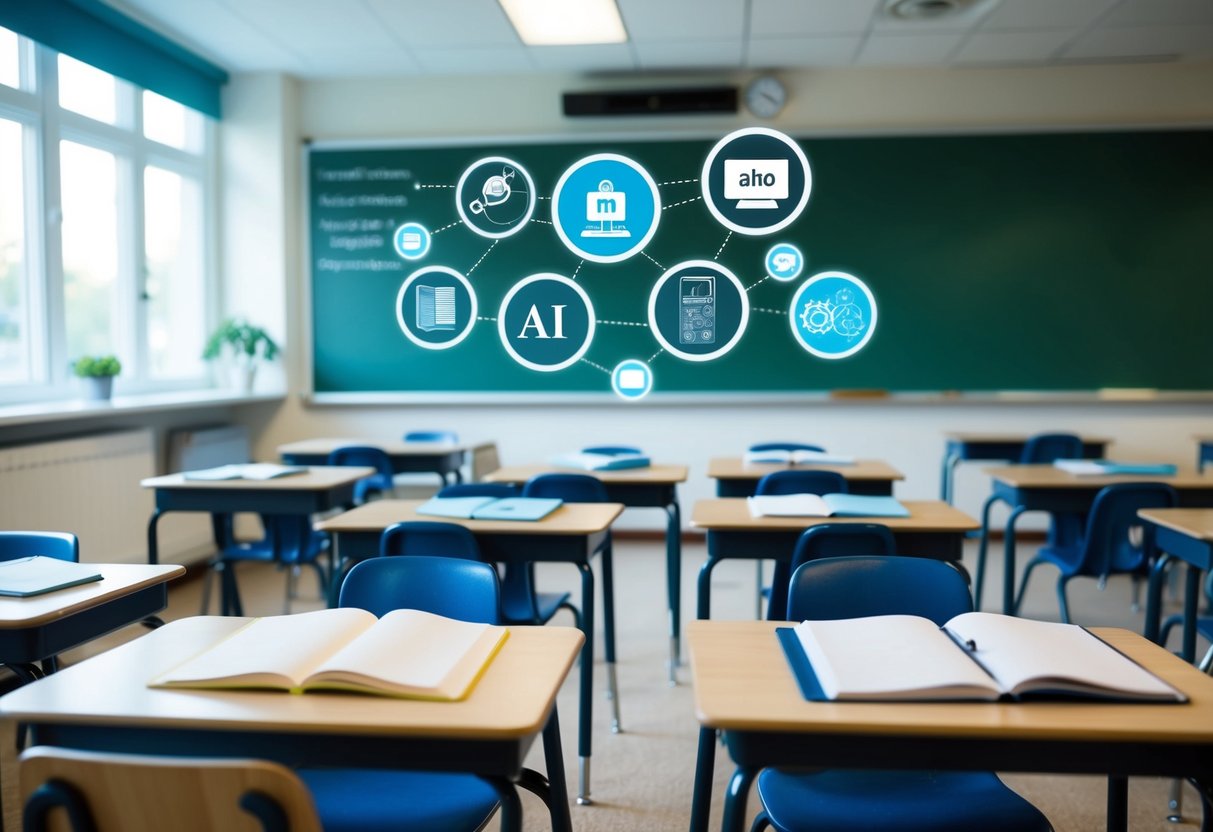
In education, AI is reshaping how learning happens. It enhances both teaching and learning by offering dynamic and interactive tools.
Defining Artificial Intelligence
Artificial Intelligence (AI) is a branch of computer science that aims to create systems capable of performing tasks that typically require human intelligence. These tasks include problem-solving, recognizing speech, learning, and decision-making.
AI in education involves developing tools that can learn and adapt to provide personalized learning experiences for students. AI platforms can assist educators in designing interactive curricula and assessments that cater to individual learning paces. By analyzing data, AI can suggest resources to students and teachers alike, paving the way for a more tailored and effective educational journey. This innovation is making a significant impact on classrooms around the world.
History and Evolution of AI Education Tools
The history of AI education tools dates back to the 1960s when early computer-based training programs were introduced. Since then, technology has advanced rapidly, allowing AI tools to evolve and become more sophisticated.
In the 1990s, AI began to be used for intelligent tutoring systems that could provide personalized feedback to students. As technology progressed, AI education tools adopted features like machine learning and natural language processing. Today, these tools are crucial for managing administrative tasks, assisting with grading, and even predicting student performance.
AI tools continue to evolve, offering more interactive and immersive educational experiences, including the integration of virtual and augmented reality. This ongoing evolution keeps unlocking new possibilities for both teachers and students.
Implementing AI Tools for Educators

AI tools are transforming the field of education by assisting educators in various tasks. Selecting the right platform and integrating these tools responsibly can significantly improve teaching efficiency and classroom engagement.
Choosing the Right AI Platform
When choosing an AI platform, educators need to consider their specific teaching goals. Platforms like Google’s AI tools offer diverse resources that can support different educational needs. It’s crucial to evaluate the features of each platform, such as the ability to generate data-driven insights and provide personalized learning experiences.
Furthermore, educators should focus on user-friendly interfaces, ensuring that both teachers and students can easily navigate and use the tools. Exploring various options helps in finding a platform that aligns with classroom objectives effectively.
Integrating AI with Learning Management Systems
Integrating AI with existing Learning Management Systems (LMS) can streamline educational workflows. For example, AI tools can be incorporated into systems like Google Classroom to automate grading, track student progress, and tailor educational content to individual needs.
To ensure a smooth integration, educators might need to work closely with IT departments to address potential technical barriers. Regular training sessions can also help teachers and students maximize the use of AI features within an LMS, promoting a more interactive and efficient learning environment.
Responsible Use of AI in Educational Settings
Responsible AI usage is essential to maintain ethical standards in education. It’s important for educators to guide students on using AI tools as supplementary aids rather than replacements for critical thinking skills. Establishing clear policies on data privacy and AI application is vital to protect student information.
Educators should foster an environment where AI is used to enhance, not hinder, education. Engaging students in discussions about the ethical implications of AI, and continuously refining AI applications to align with educational values, ensures that AI’s role in the classroom remains beneficial.
AI-Driven Personalization and Adaptive Learning
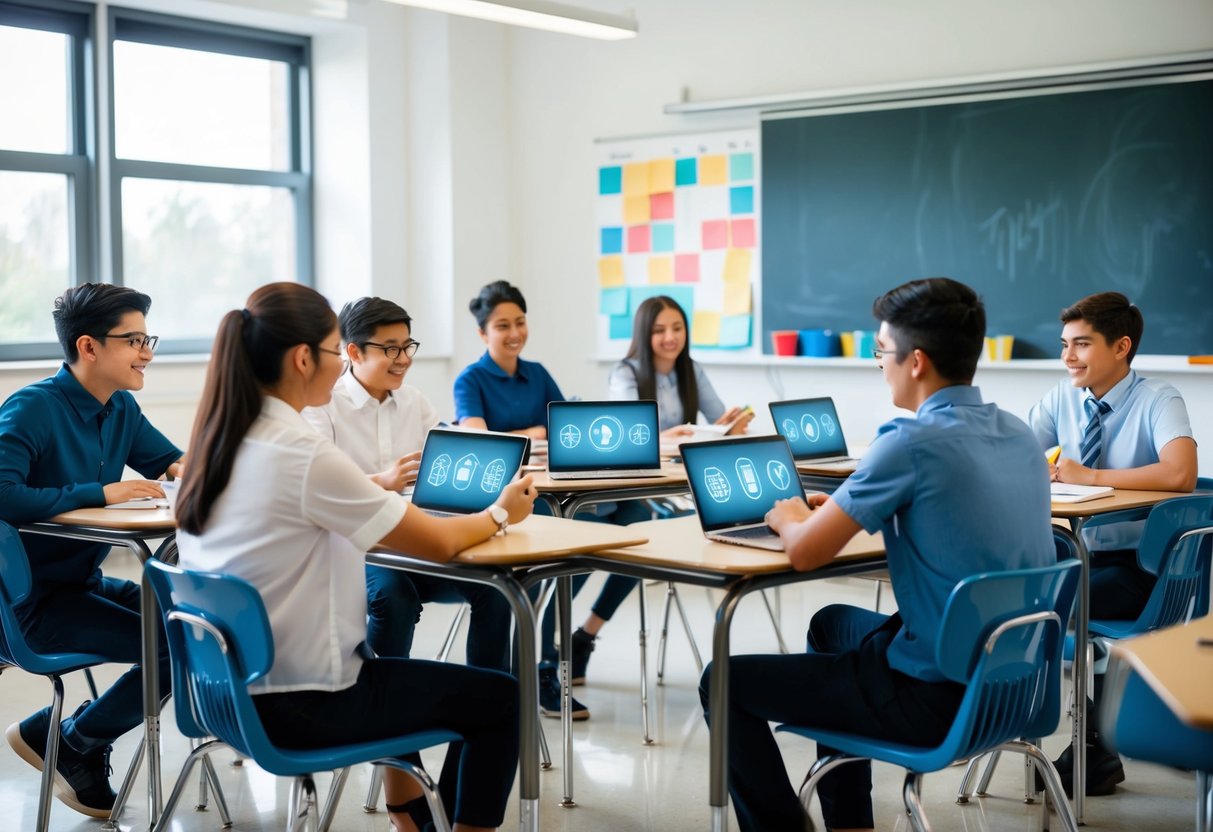
AI technologies are transforming education by allowing for individualized learning plans and real-time adjustments. These tools are crucial for tailoring educational experiences to each student’s needs, based on performance data.
Techniques for Personalized Learning
AI tools use data to create personalized learning paths. They analyze how students interact with material, recording response times and accuracy. This information allows systems to suggest specific resources or tailor lessons to improve understanding.
Adaptive learning platforms can provide instant feedback. They adjust content difficulty based on student progress. For example, if a student grasps a topic quickly, the tool offers more challenging problems. Conversely, if a student struggles, it introduces simpler concepts or hints. Specifically designed algorithms guide these adjustments to meet diverse student needs.
Benefits of Adaptive Learning Platforms
Adaptive learning platforms provide several benefits by using data insights. They enable educators to track student performance in real-time, identifying areas of strength and those needing improvement. This helps students receive personalized tutoring where needed.
These platforms also increase engagement by making learning interactive. AI-driven systems cater to different learning styles, whether visual, auditory, or kinesthetic. This adaptability ensures that every student can understand and retain information more effectively. The result is a more inclusive and efficient educational environment that supports all learners in achieving their academic goals.
Enhancing Content Creation and Course Management
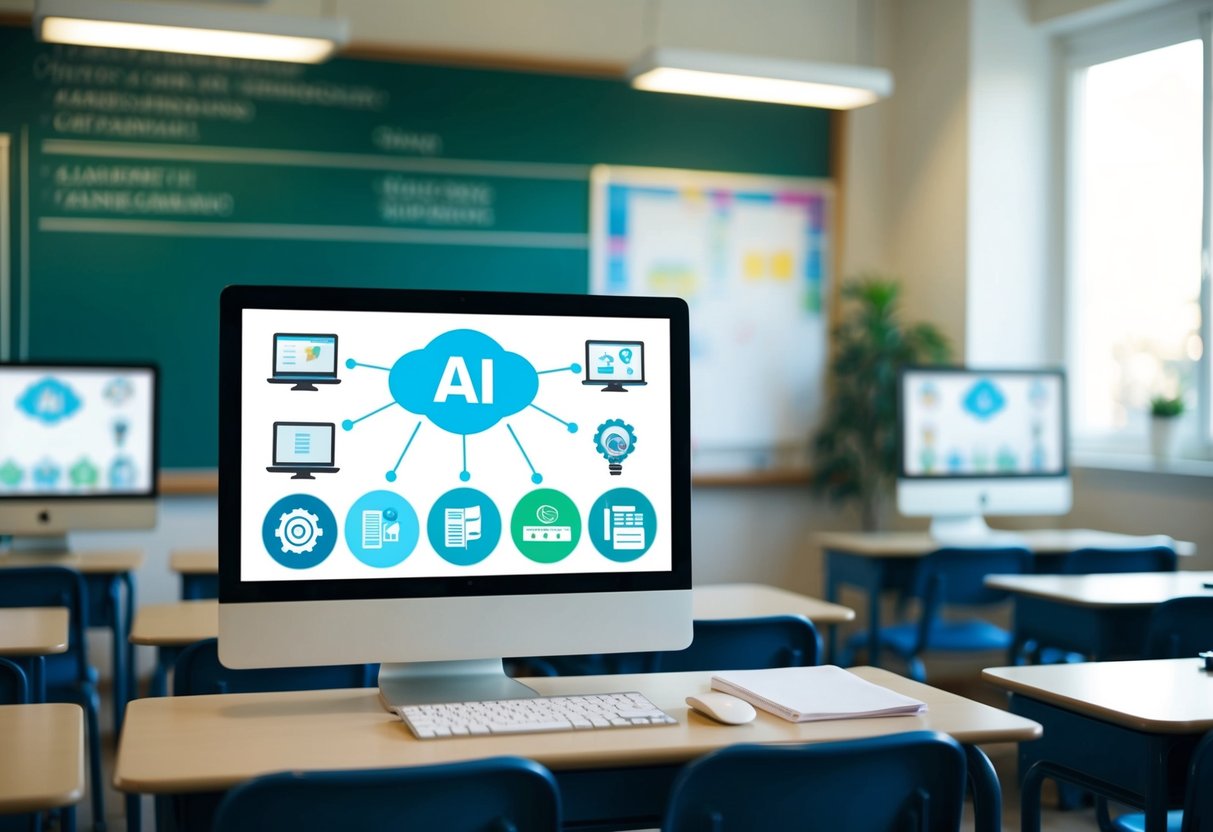
Artificial intelligence is revolutionizing how educators develop and organize educational content. By using AI tools, teachers and educational institutions can produce high-quality materials and streamline classroom processes.
Using AI for Effective Content Generation
AI helps educators produce engaging and customized content efficiently. Tools like Canva for Education enable teachers to design visually appealing materials with ease. With its Magic Design feature, Canva allows the creation of professional graphics quickly, making lesson plans and presentations more attractive.
Generative AI simplifies content creation by providing suggestions and templates. AI-powered tools can also adapt learning materials to suit different learning styles, helping students grasp concepts better. Furthermore, these tools can save time, allowing educators to focus more on student interaction.
AI Tools for Course and Classroom Management
AI tools are integral in managing courses and classroom activities. They assist in organizing schedules, tracking student progress, and automating routine tasks. This streamlines management, leaving educators with more time to address individual student needs.
AI-powered applications, such as Scribe, help in creating step-by-step guides and tutorials automatically. Teachers can use this to document processes and share them with students effectively. These tools enhance collaboration and ensure that educational materials are accessible and easy to follow.
Assessment and Feedback through AI

AI tools for education enhance assessment by automating grading and giving instant feedback. These advancements help educators save time and improve the accuracy of evaluations. They also empower students to understand their learning progress in real-time.
Innovative AI Grading Systems
Automated grading platforms use AI to evaluate essays and quizzes efficiently. These systems can assess grammar, structure, and content, providing a comprehensive analysis of student work. This technology goes beyond traditional grading by offering personalized feedback.
Turnitin, for instance, checks for plagiarism and offers insights into writing quality. Meanwhile, tools like AutoCrit focus on style and grammar, giving students detailed feedback. AI-driven assessments ensure fairness and consistency, which are crucial for educational growth.
Real-Time Feedback and Formative Assessment
Real-time feedback is a game-changer for formative assessment. AI tools help educators track student progress instantly, allowing for timely interventions. This approach encourages ongoing learning rather than waiting for end-of-term evaluations.
With platforms designed for instant feedback, students can review their work and understand mistakes as they learn. This process can enhance student engagement and retention. By delivering consistent formative assessments, AI helps develop a deeper understanding of subjects, fostering a supportive and responsive learning environment.
Supportive Tools for Student Engagement
AI tools have the potential to transform how students engage with learning materials. They offer interactive experiences and promote collaboration, making the learning process more dynamic and effective.
Interactive AI Applications for Students
Interactive lessons and quizzes engage students actively, enhancing their learning experience. Chatbots can assist by providing instant feedback and help to ensure students understand the material. Tools like Quizlet offer flashcards and interactive quizzes, keeping students engaged and encouraging them to test their knowledge.
These applications adapt to student responses, creating a personalized learning journey. This interactivity helps maintain attention and interest, making education feel more like a game rather than a chore. With AI’s help, students can learn at their own pace, revisiting topics as needed.
Technology to Enhance Student Collaboration
AI-powered platforms encourage student collaboration by simplifying group projects and discussions. Collaborative tools allow students to work together, despite physical distances. Virtual meeting tools and shared document platforms foster communication and teamwork among students.
AI can also play a role in assigning tasks within a group, ensuring each student contributes effectively. Such tools track progress, identify areas needing improvement, and offer suggestions. This technology provides students with a framework for organizing their efforts, resulting in a collaborative and productive learning environment. Through AI, educators can help foster a sense of community and teamwork among learners.
Frequently Asked Questions
Educators can harness artificial intelligence to enhance lesson planning and content creation. By leveraging AI tools, teachers receive support in personalizing education and developing materials that cater to diverse student needs. Integrating AI responsibly is key to optimizing its benefits and addressing potential challenges in classrooms.
How can artificial intelligence be integrated into lesson planning for educators?
AI can help educators by suggesting content tailored to the curriculum and students’ learning styles. AI-driven platforms can analyze student performance data to recommend specific topics or resources, allowing teachers to create more effective lesson plans that meet individual student needs.
What are some free AI tools available for teachers to aid in content creation?
Several free AI tools assist teachers with content creation. For example, tools like Scribe automatically generate guides and instructions by capturing user activities. These tools help produce instructional materials without needing extensive manual effort, making lesson planning more efficient.
In what ways can AI teaching assistants support both educators and students?
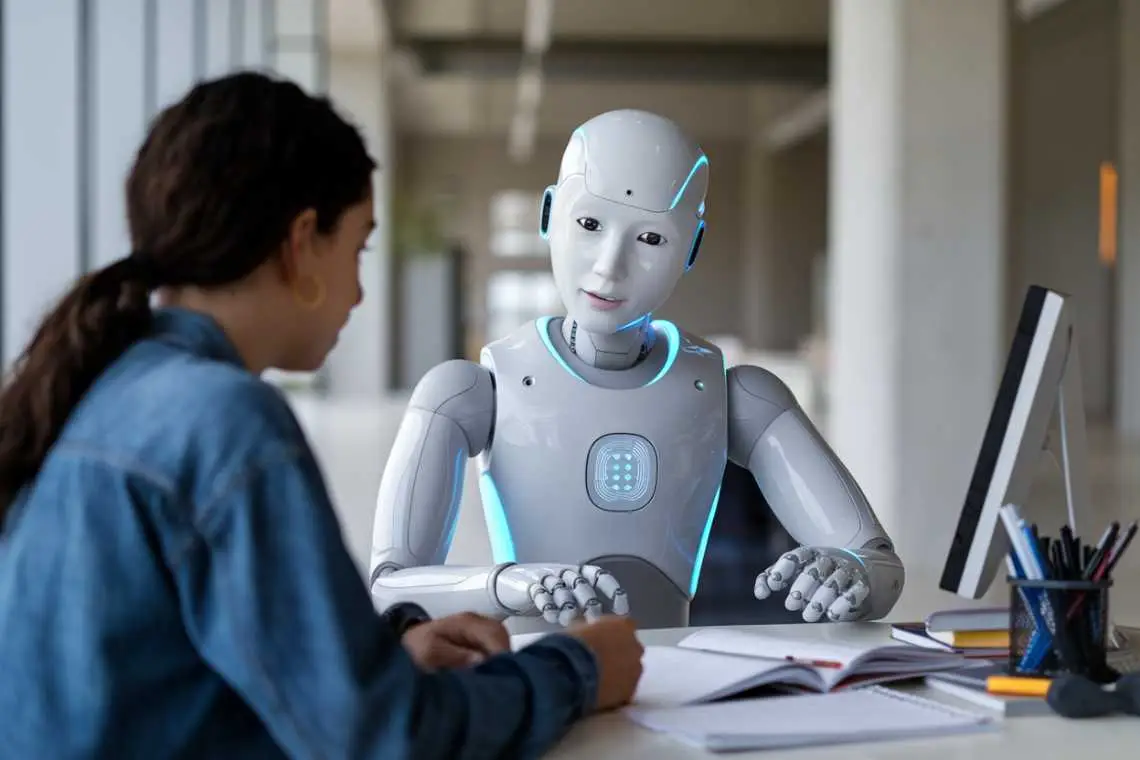
AI teaching assistants provide instant feedback and answers. They help teachers manage their workload and offer personalized explanations to students. They enhance learning by providing additional resources and support. This allows educators to focus on more complex teaching tasks. For students, these assistants enable personalized tutoring and help improve understanding of challenging concepts.
What are the best practices for implementing responsible AI in education environments?
Responsible AI involves ensuring fairness and transparency. Educators should choose tools that offer unbiased feedback and cater equally to all students. Combining AI with traditional methods helps maintain the human element in education. It’s vital to continually assess and adjust the use of AI to align with educational goals and ethical standards.
How is artificial intelligence transforming traditional education methods?
AI transforms education by automating repetitive tasks like grading and providing adaptive learning experiences. This shift allows educators to focus on interactive teaching methods. It also fosters a more personalized and engaging learning experience for students. AI can also enable new forms of assessments and feedback that are more immediate and tailored to student needs.
What are the benefits and challenges of using AI platforms in educational settings?
AI platforms offer numerous benefits. They save time for teachers and enable personalized learning. They can also make education more accessible by providing students with resources tailored to their needs.
However, challenges include ensuring equitable access to technology. Also, maintaining data privacy and addressing concerns about over-reliance on technology potentially reducing human interaction.











Comments 1