























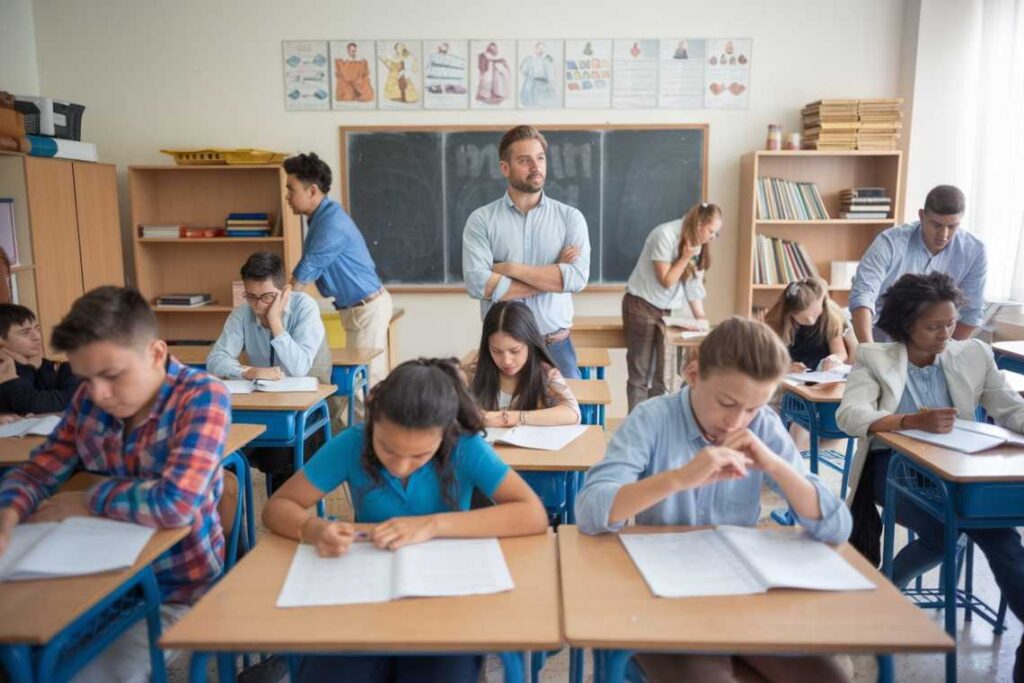
AI-Powered Classroom Management is reshaping the way educators handle student behavior. By using artificial intelligence, teachers can identify patterns, predict challenges, and create a more structured learning environment.
In today’s educational landscape, AI is emerging as a powerful ally for behavior intervention and beyond. While not a panacea, this empowering tool can significantly enhance educators’ control and confidence in managing their classrooms.
This article explores how artificial intelligence—specifically ChatGPT—can support student growth and guide educators toward improving student outcomes through AI technology.
It’s worth reading if you’re interested in discovering how an AI chatbot, like ChatGPT, can help resolve classroom challenges.
These management strategies will keep educators a step ahead and maintain a productive atmosphere.
Before we discuss AI’s role in education, let me share a personal story that opened my eyes to AI’s potential.
During a week-long vacation, I came home to a broken refrigerator dispenser.
I used ChatGPT with a simple prompt, and it suggested thawing the freezer for 30 to 45 minutes to fix the issue.
That quick fix showed me how teachers could use AI to address real-world problems, such as understanding complex student behaviors or managing disruptive classroom situations.
I wondered how it might help educators with student behavior in busy classrooms.
Educators now see ChatGPT as a key tool for functional behavior assessments and behavior intervention plans.
It helps analyze student conduct with remarkable precision and promotes positive engagement.
1. What Is ChatGPT and How Does It Affect Classroom Dynamics?

ChatGPT is a generative AI platform that uses machine learning algorithms to provide conversational answers and creative prompts.
Once you share details about your classroom challenges, it delivers tailored suggestions for students’ conduct or lessons.
This use of AI gives teachers a virtual assistant who can offer help with minimal effort.
You type in your question, and ChatGPT responds with valuable insights, making the process of using AI in the classroom straightforward, user-friendly, and comfortable for educators.
One major benefit of AI here is how quickly ChatGPT adapts to your input, ensuring that it can cater to the unique needs of your classroom and providing educators with the reassurance and support they need.
When educators mention specific behaviors, the algorithm refines its advice in real-time.
This rapid feedback can improve student interactions because it allows teachers to adjust strategies on the spot.
With ChatGPT, you can keep a calm classroom environment where everyone stays engaged.
2. Why Use AI to Track Patterns in Student Behavior and Predict Challenges?
Many teachers ask why they should use AI—specifically ChatGPT—to track or spot emerging issues with student behavior.
One major reason lies in predictive analytics.
ChatGPT can learn from repeated teacher input to find patterns in how students act over time.
This information lets teachers intervene sooner, often preventing more significant problems.
The chatbot also assists in predicting student engagement dips.
Teachers gain a clearer picture of which triggers might lead to negative behavior.
By identifying at-risk students, you can step in with personalized support.
This proactive mindset fosters student success and reduces disruptions.
3. How to Enlist Chatbots for Help With Behavior Management?
When dealing with recurring issues, enlist the chatbot for help by describing the situation in a prompt.
For instance, type: “A student talks over classmates. How do I positively guide their energy?”
An AI chatbot like ChatGPT gives near-instant suggestions like conversation starters or quiet activity ideas.
It might also propose short, structured tasks that channel the student’s enthusiasm.
ChatGPT can offer creative solutions if you need a new way to calm the class.
Just use the chatbot to request mindfulness exercises or group discussion prompts that fit your subject.
Because ChatGPT is flexible, it can propose various ideas to promote positive behaviors.
With minimal back-and-forth, you’ll be ready to help students refocus on learning.
4. Exploring Real-World Intervention Scenarios in an AI-Powered Classroom
In an AI-powered classroom, ChatGPT can serve as a guide for real-world intervention.
Imagine a cooperative student who suddenly becomes defiant.
ChatGPT can quickly suggest ways to investigate possible causes.
It might recommend a one-on-one chat to see if social or academic issues are in play.
The chatbot can also help adjust your lesson plan by offering fresh group strategies.
If a student struggles with transitions, ChatGPT may suggest short-timers or visual aids.
By applying these ideas, teachers can handle disruptive behaviors before they escalate.
The result is a more balanced environment for students and teachers.
5. How Can Teachers Use ChatGPT for Functional Behavior Assessments?
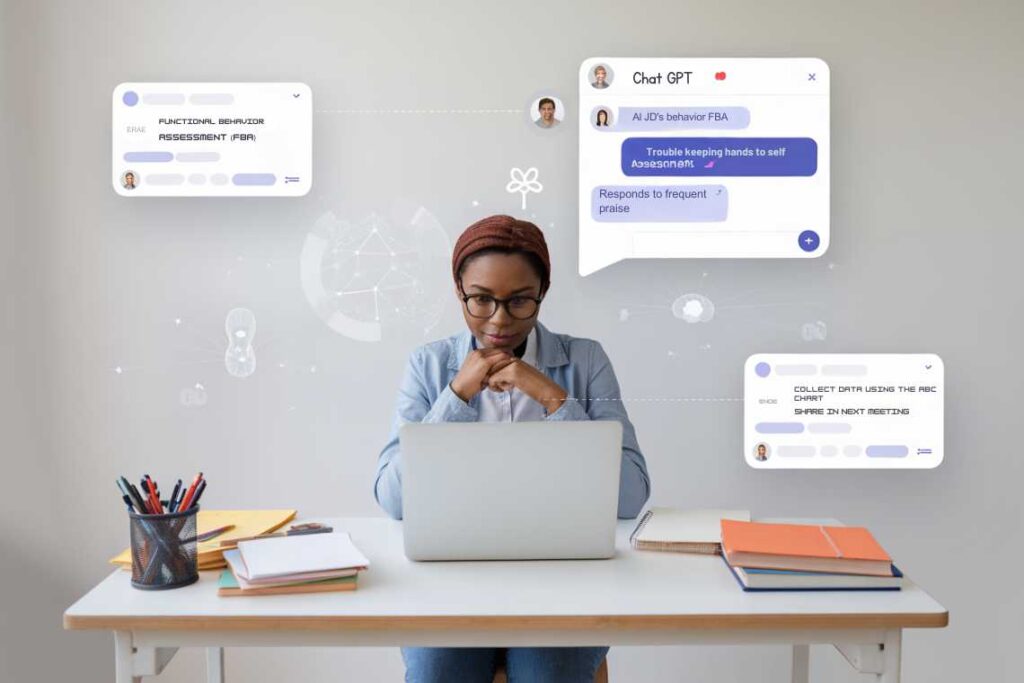
A functional behavior assessment (FBA) uncovers why a student is acting out.
Teachers can use ChatGPT to develop targeted questionnaires that pinpoint vital details, such as triggers.
This use of AI helps educators collect the correct data quickly.
ChatGPT suggests questions about frequency, location, or possible emotional factors.
After collecting data, ChatGPT can analyze student patterns to clarify the next steps.
It might highlight if the student acts out more during group work or at certain times of the day.
Knowing these specific behaviors leads to better-informed interventions.
Ultimately, ChatGPT streamlines the FBA, saving time for other teaching needs.
6. What is the Role of AI in Education When Creating Effective Plans?
Once you have FBA results, you’ll need a behavior intervention plan.
ChatGPT’s role is to help you turn those results into actionable steps.
Ask ChatGPT for a structured plan that addresses out-of-seat behavior or frequent disruptions.
You might get suggested seat changes, scheduled breaks, or fun activities that reward on-task conduct.
The chatbot’s feedback creates a starting point for each unique classroom challenge.
Combine ChatGPT’s outline with your experience to align with school standards.
By relying on this AI-driven guidance, you can track behavioral progress.
Teachers refine the plan in real-time to meet the needs of each student.
7. Strategies to Address the Unique Needs of Each Student
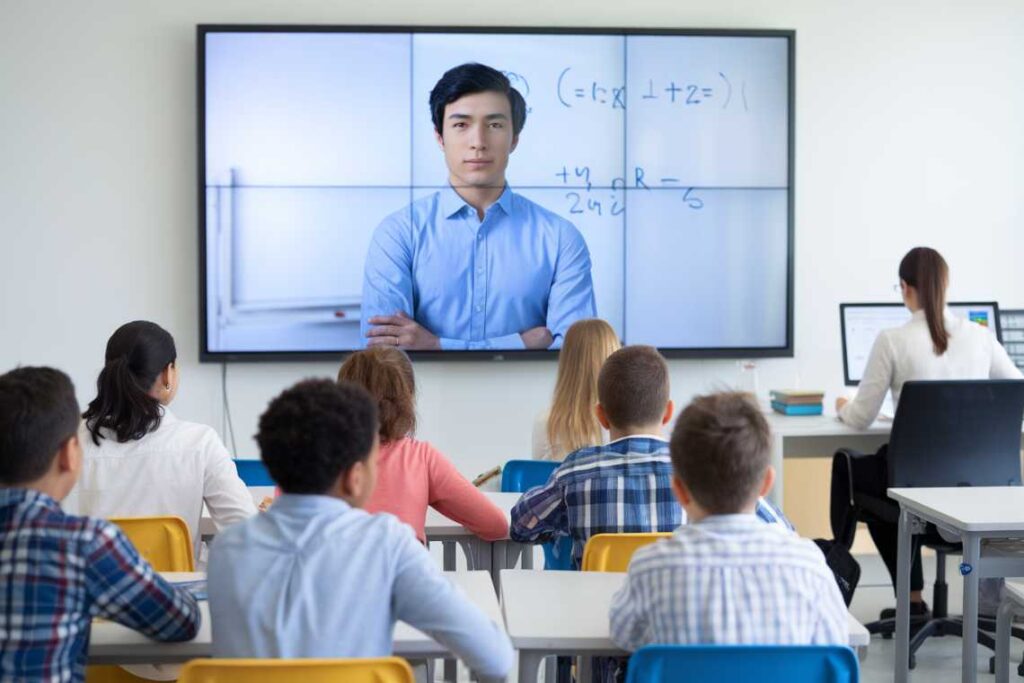
Not all students learn or behave in the same way.
That’s why ChatGPT’s strategies to address varied personalities can be so valuable.
If one student responds well to visuals, you can ask ChatGPT for diagram-based lessons.
ChatGPT might suggest role-playing or structured partnering if another struggles with peer interactions.
Over time, the AI-driven tools become more attuned to your classroom.
You can log daily changes or successes, and ChatGPT will refine its suggestions further.
This process supports an adaptive learning environment with opportunities for students to shine.
It helps keep teaching creative and meets individual student needs.
8. Data Privacy and Ethical Use of AI in Education
When using AI in education, always protect student data by avoiding personal details in your prompt.
Focus on the behavior or context, not the child’s name or personal background.
By following safe practices, you guard student privacy and promote trust.
Teachers remain responsible for ensuring data privacy and ethical use.
Consider confirming school policies before sharing any info.
Combining ChatGPT with a secure process ensures your classroom environment stays respectful and compliant.
Ethical use of AI can help educators improve their strategies.
It’s a win-win for both teacher and student well-being.
9. How to Improve Classroom Experiences With AI-Driven Tools
ChatGPT can improve classroom experiences by offering quick prompts for interactive lessons.
If an activity feels dull, ask the chatbot for a lively group challenge or a creative reading approach.
As teaching assistants, ChatGPT’s AI-driven capabilities allow teachers to focus on one-on-one support.
It can suggest new teaching methods or highlight different ways to differentiate instruction.
When classes run more smoothly, students engage more.
This leads to stronger student performance and less time spent on discipline.
By adapting ChatGPT’s advice to your style, you’ll see classroom morale rise.
Everyone benefits from dynamic lessons and a calm environment.
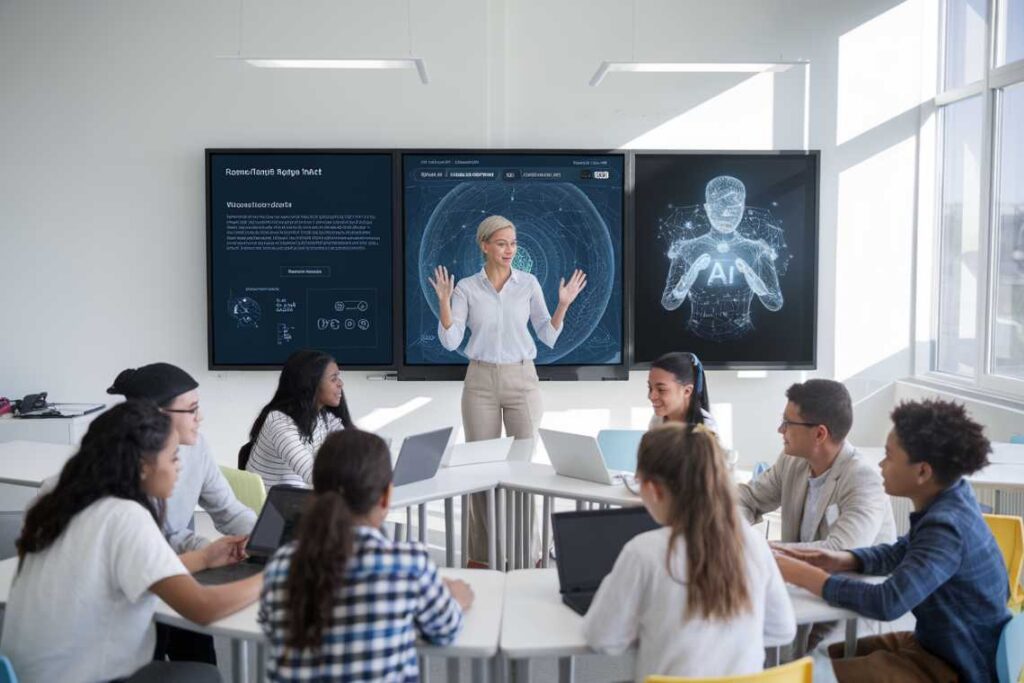
10. What Is the Future of Education With Artificial Intelligence
Tools like ChatGPT will shape the future of education.
Management techniques will become more data-driven and responsive over time.
New features could enable deeper predictive analytics, showing how students might react to upcoming topics.
Teachers can then adjust lessons or groups to minimize possible friction.
While AI may never replace the human touch, it will continue to support teachers in real time.
The ways AI evolves can make it an even more integral part of daily instruction.
This synergy offers a path toward student learning that’s more personalized and efficient.
When educators and ChatGPT work together, students can reach new levels of success.
Bullet Point Summary: Key Takeaways
- Cut and paste the following strategies into your daily teaching toolkit, and simply replace each bracket or bracket with the information relevant to your classroom.
- AI—through ChatGPT—can identify patterns in student behavior and propose quick solutions, fostering positive behavior.
- Use AI chat solutions for functional behavior assessments, making data collection faster and more accurate.
- Leverage AI by consulting ChatGPT to meet individual student needs and ensure a supportive learning environment.
- ChatGPT assists teachers by providing insights into student motivations and ways to show students fresh perspectives.
- Teachers can use ChatGPT to adapt lesson plan items like group tasks or role-plays for smoother classes.
- Always follow data privacy rules and maintain student privacy by sharing only non-sensitive info.
- ChatGPT helps address at-risk students with evidence-based suggestions, boosting promote positive habits.
- Use the chatbot for real-time behavior analysis and to create opportunities for students requiring extra support.
- This approach aligns with the future of education, where AI-powered tools refine the classroom environment over time.