























Artificial Intelligence is changing the way teachers engage with students across the world. By streamlining tasks and providing personalized learning experiences, AI can free up teachers’ time to focus on what they do best: teaching.
AI in classrooms not only enhances traditional teaching methods but also introduces new ways for students to interact with educational material, making learning more engaging and accessible for everyone.
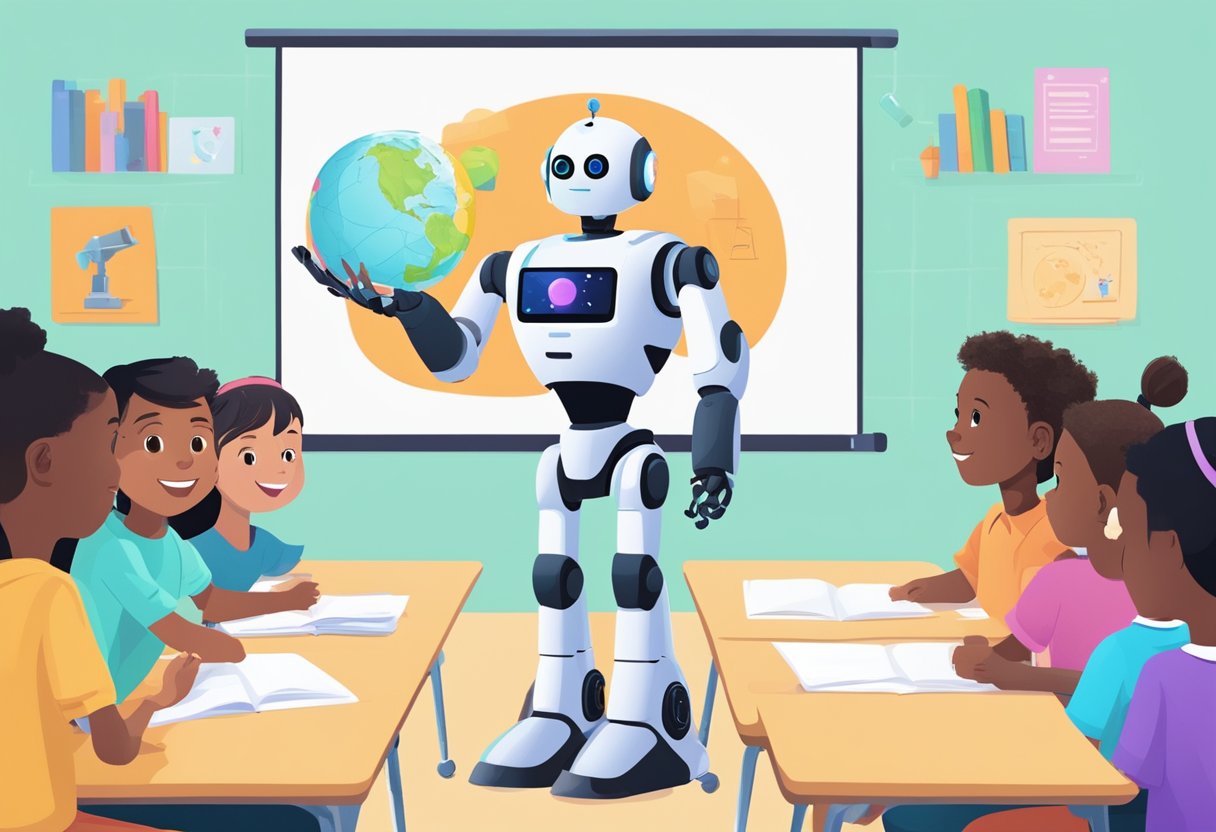
AI tools can adapt to each student’s learning style and pace, which can lead to better educational outcomes.
Teachers can use data-driven insights to refine their teaching strategies, helping students who may need extra support. This personalized approach is a game-changer for educators and learners alike, offering a tailored educational experience.
From managing classroom dynamics to providing real-time feedback, the role of AI in education is rapidly expanding. While challenges and ethical concerns exist, the future of AI in classrooms holds the promise of unprecedented educational advancement. AI integration in schools can lead to a more inclusive and effective learning environment.
Key Takeaways
- AI enhances teaching by personalizing learning experiences.
- AI tools support students and teachers in classroom settings.
- Ethical considerations and future trends are key to AI in education.
The Role of AI in Enhancing Teaching Methods
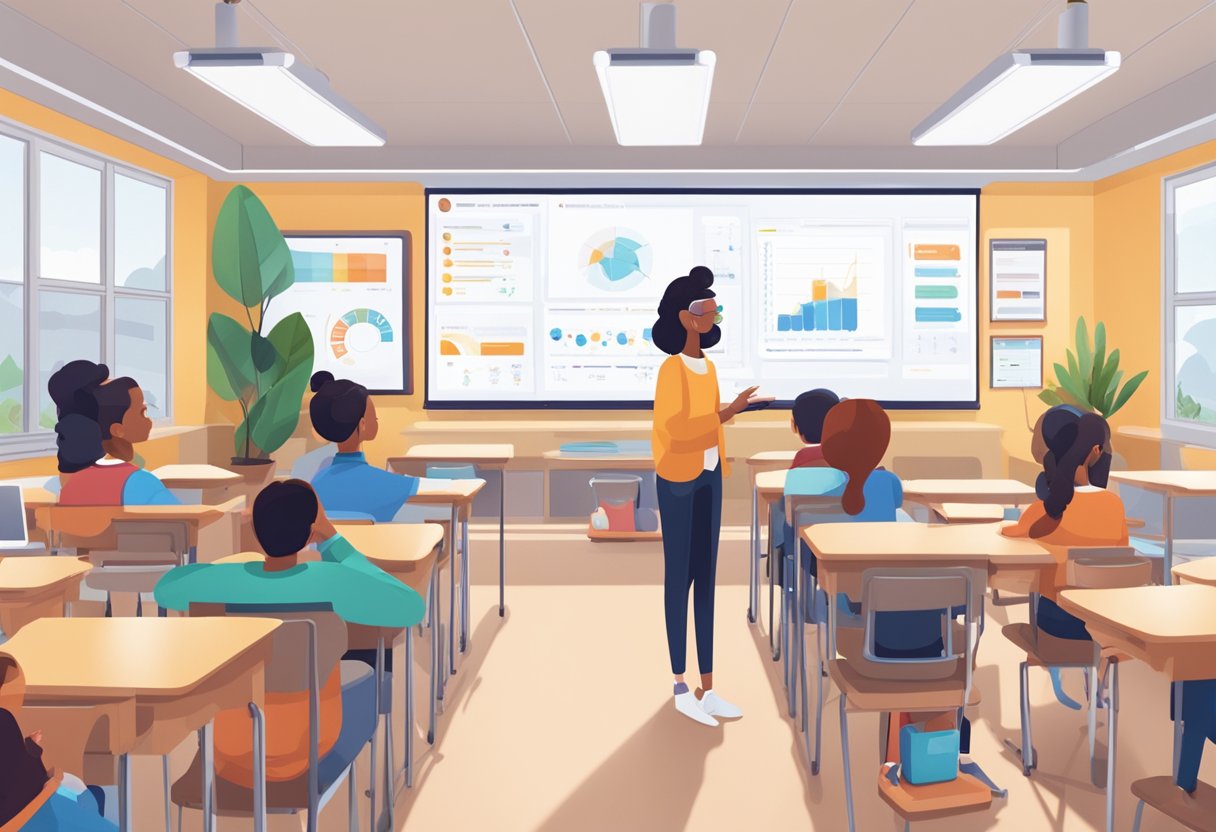
AI is transforming the way educators approach teaching practice by offering tools that foster personalized learning and streamline curriculum development. These innovations help in crafting lessons that cater to individual student needs, enhancing engagement and critical thinking skills.
Personalized Learning Approaches
Artificial intelligence enables personalized learning by adapting educational content to meet individual student needs.
AI systems analyze student performance and identify areas where learners might struggle, such as understanding complex math concepts. This allows educators to create customized lessons that target specific weaknesses.
These AI-driven approaches help students learn at their own pace, ensuring they grasp foundational concepts before moving on.
Tailored learning experiences increase student engagement and bolster motivation.
For instance, AI can adjust reading materials’ complexity levels, making them appropriate for student proficiency. As a result, Personalized Learning affirms individual progress and better prepares students for future challenges in their educational journey.
AI Tools for Educators
AI tools offer valuable support to educators by automating administrative tasks and providing insights into student performance.
Teachers can use AI to efficiently grade assignments, track student progress, and generate reports. This frees up time for teachers to focus on direct student interaction and developing innovative teaching strategies.
One example is intelligent tutoring systems that offer supplementary instruction outside of traditional classroom settings.
These AI applications enhance student learning by providing additional resources and suggestions tailored to each student’s needs. AI tools also offer training for teachers, helping them integrate technology into their teaching practice and improve classroom management skills.
AI’s Impact on Curriculum Development
Integrating AI in curriculum development allows educators to create dynamic and responsive learning materials.
AI analyzes vast educational data sets, identifying trends and skill gaps in student learning outcomes. This analysis helps shape curricula that emphasize critical thinking and problem-solving skills.
Educators can implement adaptive learning technologies that adjust instruction based on student feedback and performance.
Customized curricula using AI ensure lessons remain relevant and address emerging educational demands. Furthermore, AI enhances interdisciplinary learning by combining subjects like science and math into cohesive instructional units, fostering greater comprehension and application of knowledge across various fields.
AI Integration in Classroom Settings
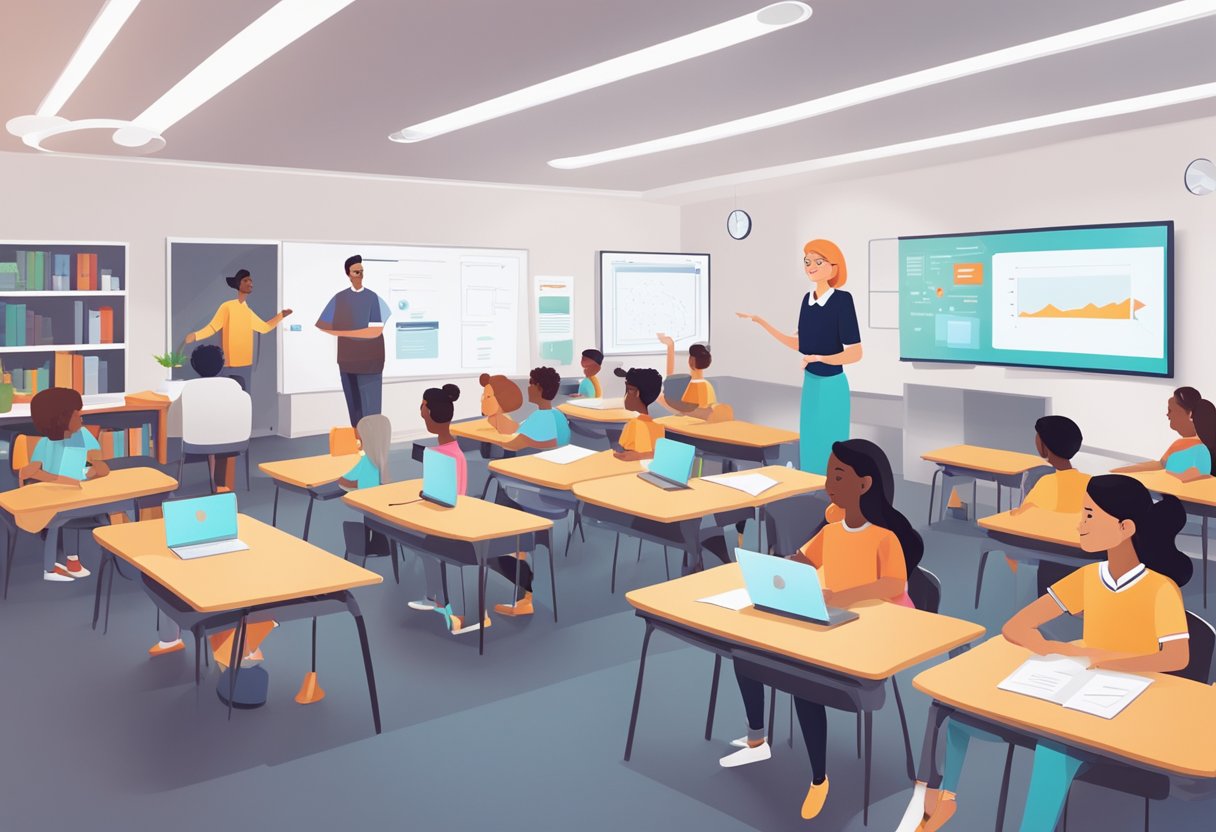
AI technology offers transformative possibilities in classrooms, enhancing engagement through interactive tools and providing personalized feedback for students. Focusing on student participation and educational advancement, AI aims to make learning experiences more enriching and effective.
Engagement and Interactivity
The use of AI in Classrooms significantly boosts student engagement.
Interactive tools like AI chatbots and generative AI applications create dynamic learning environments. Students interact with these tools, posing questions and receiving instant responses, which makes learning more engaging.
AI-powered platforms can adapt to individual learning styles, offering customized content that caters to each student’s needs.
This personalization helps keep students motivated and interested, as they can learn at their own pace using tools tailored to their understanding.
It’s important to consider AI Literacy for both students and teachers.
Familiarity with AI tools ensures efficient usage and better integration into teaching practices. This leads to improved student participation and a greater understanding of complex concepts through interactive learning methods.
AI for Assessment and Feedback
AI tools play a vital role in assessing student progress and providing feedback.
They can analyze student work, issue instant feedback, and identify areas that need improvement. This immediate response helps students improve their skills efficiently, as they understand their mistakes sooner.
Using AI Models, teachers can track student performance over time, ensuring targeted support for each learner.
This data analysis offers insights into individual challenges and achievements, enabling educators to adjust teaching methods accordingly.
Academic Integrity remains a focus, with AI helping to detect potential plagiarism or dishonesty in student work. This ensures fair practices in assessments, maintaining the credibility of educational outputs. By fostering a reliable evaluation process, AI contributes to a more honest and transparent educational environment.
Challenges and Ethical Considerations of AI in Teaching
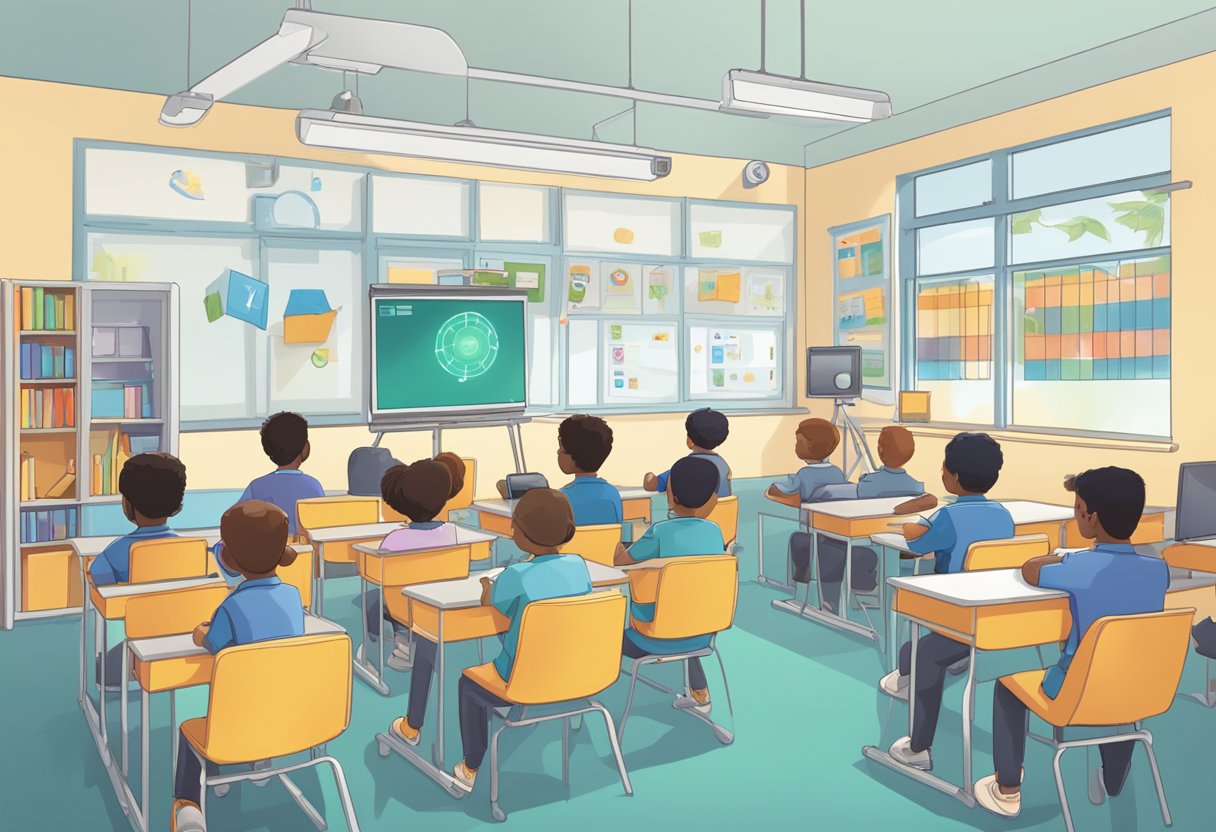
Artificial intelligence in teaching presents several challenges and ethical considerations. Issues such as AI bias, data privacy, and student information security are critical. Ensuring that AI tools support educators while maintaining transparency and fairness is essential. Addressing these concerns requires careful analysis and informed decision-making.
Addressing AI Bias and Fairness
AI bias can have significant effects on teaching outcomes. AI models are trained on large datasets that might carry hidden biases. This can lead to unfair treatment of certain student groups.
For instance, bias in AI algorithms can affect grading or access to learning resources. Identifying and mitigating these biases is essential to ensure fairness.
Educators must collaborate with AI developers to better understand AI systems and inputs.
Bias can be minimized by regularly auditing AI models and integrating diverse training data. Transparent AI processes empower teachers to spot and resolve potential biases on time.
Achieving fairness is about equal educational opportunities for all students, irrespective of background.
Data Privacy and Student Information
Data privacy is a key concern when integrating AI into education.
AI systems require access to vast amounts of student data to function effectively. This raises concerns about who has access to information and how it is used.
Student privacy might be compromised if data is not adequately protected.
To ensure data security, schools should establish strict data privacy policies.
These policies should include guidelines on data collection, storage, and sharing practices. Encrypting sensitive information can prevent unauthorized access.
Educators must make sure that students’ and parents’ privacy concerns are addressed, building trust in AI tools.
Mitigating AI Hallucinations in Educational Content
AI hallucinations occur when AI models generate content that is misleading or incorrect. This can negatively impact learning by spreading misinformation.
In the classroom, it is crucial to manage AI-generated content to maintain educational standards.
Teachers should be vigilant and cross-verify AI-generated content against reputable sources. Combining AI tools with critical thinking exercises encourages students to question and validate information.
Continual monitoring and improving AI systems helps reduce the risk of these hallucinations. It aids in fostering a more accurate and reliable educational environment.
Future Trends in AI for Educational Advancement
Artificial Intelligence is redefining teaching methods and enhancing learning experiences. Key trends include advanced tools like Generative AI models and improved AI literacy among students and educators. These trends are critical for the educational landscape, offering new ways to engage learners and streamline educational processes.
Innovations in Generative AI for Teaching
Generative AI tools, including models like ChatGPT, are making a notable impact in classrooms.
They are capable of creating personalized learning materials and generating instant feedback.
These tools can support teachers in crafting more engaging lessons by providing creative examples and problem sets tailored to individual student needs.
In AI-integrated schools, educators use Generative AI to design interactive activities that bolster student interest.
Generative AI can simulate real-world problems, encouraging critical thinking and problem-solving skills.
By automating routine tasks, teachers have more time to focus on student interaction and personalized instruction, enhancing educational quality. Innovations in this domain are paving the way for more dynamic and individualized teaching methods.
Expanding AI Literacy in Higher Education
AI literacy is becoming crucial in higher education institutions. Understanding AI tools helps students and educators navigate a technology-driven world.
Programs are being designed to integrate AI literacy into the curriculum, encouraging critical evaluation of AI’s capabilities and limitations.
Colleges and universities are establishing teaching guides that include AI model instructions, demonstrating their applications in various academic disciplines.
This approach equips students with essential skills to utilize AI technologies effectively.
By focusing on AI literacy, higher education aims to prepare students for a future where AI is integral to many careers. Enhanced understanding of AI’s role enables students to leverage these technologies, fostering innovation and competitiveness in the workforce.
Frequently Asked Questions
AI is transforming classrooms by supporting teachers, personalizing learning experiences, and integrating into education curriculums. This section addresses common questions about the role of AI in teaching and how it enhances the educational environment.
How does AI help teachers in the classroom?
AI assists teachers by automating administrative tasks such as grading and attendance tracking, allowing them to focus more on instructional activities.
It can also help analyze student performance data to identify areas where students may need additional support.
What are the benefits of AI in teaching and learning?
AI offers benefits like personalized learning experiences through adaptive learning technologies.
It enables real-time feedback to students, helps cater to different learning paces, and provides access to up-to-date educational content, thereby enhancing engagement and understanding.
How to effectively use AI in teaching?
Effectively using AI in teaching involves training educators to utilize AI tools, understanding the capabilities of AI, and integrating these tools into lesson plans.
Teachers should also encourage students to critically evaluate AI-generated content.
How would teaching be different in an AI-enabled classroom?
In an AI-enabled classroom, teaching would be more individualized.
AI systems can recommend tailored learning paths for each student. Teachers would shift from traditional lecturing to facilitating student engagement and using AI insights to support diverse learning styles.
What role does AI play in personalizing education?
AI personalizes education by analyzing each student’s performance and learning styles. It customizes lesson sequences and adjusts the pace of learning. AI also provides targeted resources to ensure that each student receives a supportive and effective learning experience.
In what ways can AI be integrated into educational curriculums?
AI can be integrated into curriculums by using AI tools for interactive lessons. Also, incorporating AI-based assessments and including data analysis skills as part of the curriculum.
Educators should explore innovative teaching strategies that leverage AI technological advances.